
As the world increasingly turns its attention to renewable energy sources and sustainable heating solutions, biomass boilers have surged in popularity among homeowners, businesses, and industrial facilities alike. At the heart of this green heating revolution lies a small but mighty fuel source: the wood pellet. Compact, efficient, and remarkably versatile, wood pellets have become the go-to choice for anyone looking to heat their property in an environmentally responsible and cost-effective manner. But what exactly are wood pellets? How do you choose the right ones? And what should you know before making the switch? This comprehensive guide covers everything worth knowing about wood pellets for biomass boilers.
What Are Wood Pellets?
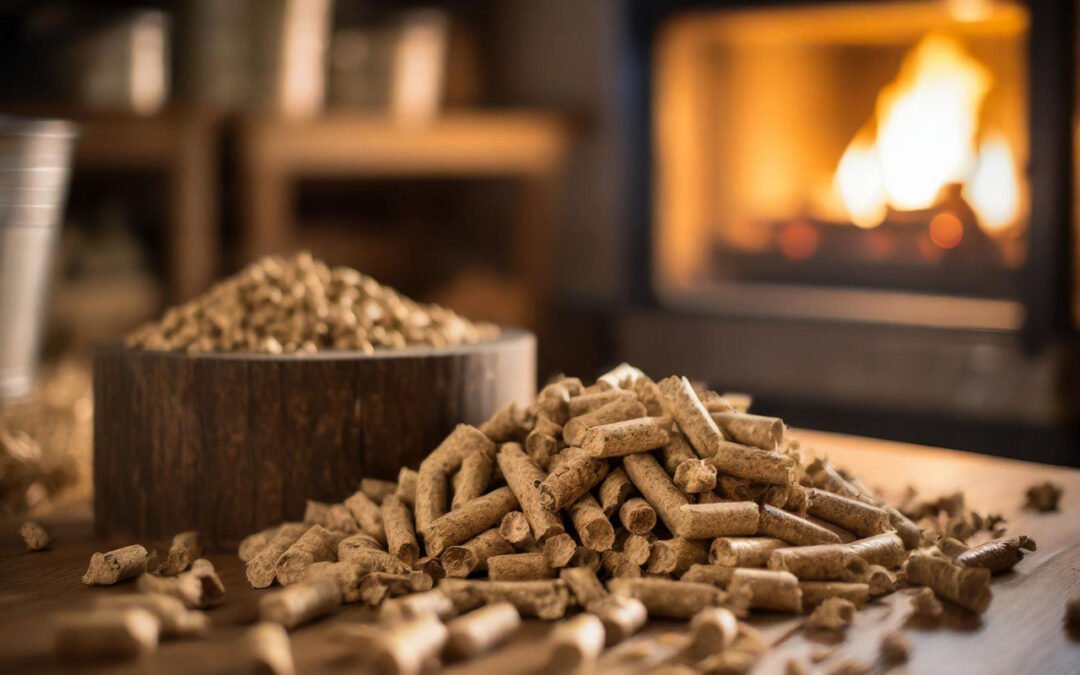
Wood pellets are a type of solid biofuel manufactured from compressed organic material, most commonly sawdust, wood shavings, and other byproducts of the lumber and woodworking industries. The raw material is dried to a very low moisture content — typically below 10% — and then forced through a die under extreme pressure to form small, cylindrical pieces that are usually 6 to 8 millimeters in diameter and 10 to 30 millimeters in length.
The natural lignin present in wood acts as a binding agent during the compression process, meaning that high-quality wood pellets require no artificial additives or chemical glues. The result is a dense, uniform fuel source that burns cleanly and efficiently, producing significantly more heat per unit of volume than traditional firewood.
How Are Wood Pellets Produced?
The production process of wood pellets involves several critical stages that directly affect the quality of the final product:
-
- Raw Material Collection: Manufacturers source wood residues such as sawdust, wood chips, bark, and shavings from sawmills, furniture factories, and forestry operations. The type of wood used — whether hardwood, softwood, or a blend — influences the pellet’s calorific value and ash content.
- Drying: The raw material is dried in large industrial dryers to reduce moisture content to approximately 8–10%. This step is crucial because excess moisture reduces combustion efficiency and can lead to clumping during storage.
- Grinding and Screening: The dried material is ground into a fine, uniform consistency and screened to remove impurities such as stones, metal fragments, and oversized particles.
- Pelletizing: The fine wood particles are fed into a pellet mill, where they are compressed through a metal die at high pressure and temperature. The heat generated during compression activates the natural lignin in the wood, binding the particles together.
- Cooling and Packaging: Freshly pressed pellets are hot and soft. They pass through a cooling system to harden and stabilize before being packaged in bags (typically 15 kg) or loaded into bulk delivery trucks for large-scale consumers.
Quality Standards and Certifications
Not all wood pellets are created equal, and using low-quality pellets can lead to poor combustion, excessive ash buildup, clinker formation, and even damage to your biomass boiler. To help consumers make informed decisions, several international quality certification systems have been established:
-
- ENplus: This is the most widely recognized certification in Europe, based on the ISO 17225-2 standard. ENplus classifies pellets into three categories: A1 (premium quality, lowest ash content, ideal for residential boilers), A2 (slightly higher ash content, suitable for larger commercial systems), and B (industrial grade, not recommended for small boilers).
- DINplus: A German certification standard that is similarly rigorous and widely respected across Europe. DINplus pellets meet strict criteria for calorific value, moisture content, ash content, and mechanical durability.
- PFI (Pellet Fuels Institute): The primary certification standard in North America, which grades pellets into Premium and Standard categories.
When purchasing pellets, always look for a recognized certification mark on the packaging. Certified pellets guarantee consistent quality, optimal combustion performance, and protection for your boiler’s warranty.
Advantages of Using Wood Pellets in Biomass Boilers
Wood pellets offer a compelling array of benefits that make them an attractive alternative to fossil fuels:
-
- High Energy Density: Wood pellets have a calorific value of approximately 4.7 to 5.3 kWh per kilogram, which is comparable to many traditional fuels and significantly higher than raw firewood.
- Consistent and Automated Feeding: Their uniform size and shape allow biomass boilers to use automated auger or vacuum feeding systems, providing hands-free operation and precise combustion control.
- Low Moisture Content: With moisture levels typically below 10%, pellets ignite quickly and burn more completely than traditional wood, which can contain 20–50% moisture.
- Reduced Emissions: Modern biomass boilers burning high-quality pellets produce very low levels of particulate matter, carbon monoxide, and sulfur dioxide compared to oil, coal, or even traditional wood stoves.
- Carbon Neutrality: Wood pellets are considered carbon-neutral because the CO₂ released during combustion is roughly equal to the amount absorbed by the tree during its growth. This makes them a key player in the fight against climate change.
- Price Stability: Unlike oil and gas, which are subject to volatile global market fluctuations, wood pellet prices tend to remain relatively stable and are often significantly lower on a per-kilowatt-hour basis.
How to Choose the Right Pellets for Your Boiler
Selecting the appropriate wood pellets depends on several factors:
-
- Boiler Manufacturer Recommendations: Always consult your boiler’s user manual. Many manufacturers specify a particular pellet grade or certification, and using non-compliant fuel may void your warranty.
- Ash Content: Lower ash content (below 0.7% for ENplus A1) means less frequent cleaning and maintenance. Premium pellets are especially important for smaller residential boilers with limited ash collection capacity.
- Calorific Value: Higher calorific value means more heat per kilogram, improving overall efficiency and reducing fuel consumption.
- Mechanical Durability: Pellets with high durability resist crumbling during transport and handling. Excessive fines (dust and broken pieces) can clog feeding mechanisms and impair combustion.
- Additives: Avoid pellets that contain artificial binders, recycled wood with paint or glue residues, or high bark content, as these can increase emissions and ash production.
Storage and Handling Best Practices
Proper storage is essential to maintain pellet quality and ensure safe, efficient operation of your biomass boiler:
-
- Keep Pellets Dry: Moisture is the number one enemy of wood pellets. Store them in a dry, well-ventilated area, ideally in a dedicated silo, hopper, or sealed storage room. Even brief exposure to humidity can cause pellets to swell, disintegrate, and become unusable.
- Avoid Direct Ground Contact: Use pallets or raised platforms to prevent moisture absorption from concrete floors.
- First In, First Out: Rotate your stock to ensure older pellets are used before newer deliveries.
- Fire Safety: While pellets are relatively stable, they can generate carbon monoxide during storage due to off-gassing. Ensure adequate ventilation in enclosed storage spaces and install CO detectors as a precaution.
Cost Considerations
The cost of wood pellets varies by region, season, and quality grade. On average, premium ENplus A1 pellets cost between £250 and £385 per tonne in the UK, though prices can fluctuate based on supply and demand. Buying in bulk during the summer months — when demand is lower — can yield significant savings.
When comparing heating costs, it is important to calculate the price per kilowatt-hour of usable heat rather than simply comparing the price per tonne or per liter. In most markets, wood pellets remain one of the most affordable heating fuels available, often costing 30–50% less than heating oil and 20–40% less than natural gas.
Environmental Impact and Sustainability
Wood pellets are widely regarded as one of the most sustainable heating fuels available today. The raw materials are typically sourced from sustainably managed forests and wood processing waste streams that would otherwise be discarded. The production process itself has a relatively low carbon footprint, and modern biomass boilers equipped with advanced filtration systems emit minimal pollutants.
However, it is important to source pellets from certified, responsible suppliers who can demonstrate sustainable forestry practices and transparent supply chains. Pellets made from illegally logged timber or transported across vast distances by carbon-intensive shipping can undermine the environmental benefits.
Common Mistakes to Avoid
-
- Buying uncertified pellets to save money, only to face higher maintenance costs and potential boiler damage.
- Storing pellets outdoors or in damp conditions, leading to degradation and waste.
- Ignoring regular boiler maintenance, including ash removal and heat exchanger cleaning, which is essential even with premium pellets.
- Mixing different pellet types in the same storage container, which can lead to inconsistent combustion.
Conclusion
Wood pellets represent a smart, sustainable, and economically sound fuel choice for biomass boiler owners. By understanding the production process, quality standards, storage requirements, and cost dynamics, you can maximize the efficiency and longevity of your heating system while minimizing your environmental footprint. Whether you are a homeowner considering the switch from fossil fuels or a facility manager optimizing an existing biomass installation, investing in high-quality, certified wood pellets is one of the most impactful decisions you can make for both your wallet and the planet. Choose wisely, store carefully, and enjoy the warmth of truly renewable energy.
