
Biomass Boiler - We provide excellent service and maintenance of biomass boiler systems in England and Wales.
Biomass Boiler
In recent years alone, tens of thousands of biomass boilers have been installed.
When looking at the pre-existing systems, we often find they are unreliable, poorly installed, poorly designed and expensive to run.
You may not be aware of these issues, but if they persist it may prove very costly to remedy.
This is why it’s important that you know that your system is working correctly. To address this concern, Proadvance offers a full health check during the first service to ensure your system is installed correctly and is safe to use.
A Biomass boiler is a wood-fuelled system that provides all your central heating and domestic hot water. These days, these boilers have very advanced controls with automatic fuel transport or cleaning, they are also sophisticated and built to last many years. They all require regular servicing as well as daily maintenance by the user which, in most cases, is supported by boiler software with semi-automatic cleaning functions and cleaning reminders.
You can find more information about Proadvance and how to find us here.
If you’re looking for any parts for biomass boiler, please visit my biomass boiler parts store on eBay proadvance_ltd on eBay
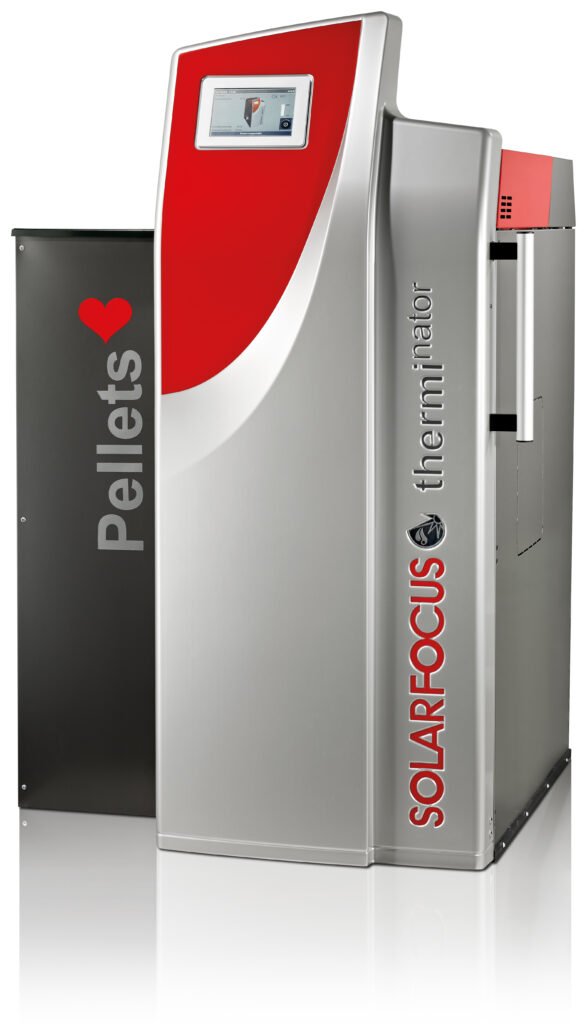
The type of boiler you choose depends on the kind of fuel you wish to use.
The type of boiler you choose depends on the kind of fuel you wish to use.
There are three types of fuel: wood pellets, wood chips and logs.
Each fuel has its advantages but should be selected based on your own situation
and the level of use you want with your biomass boiler.
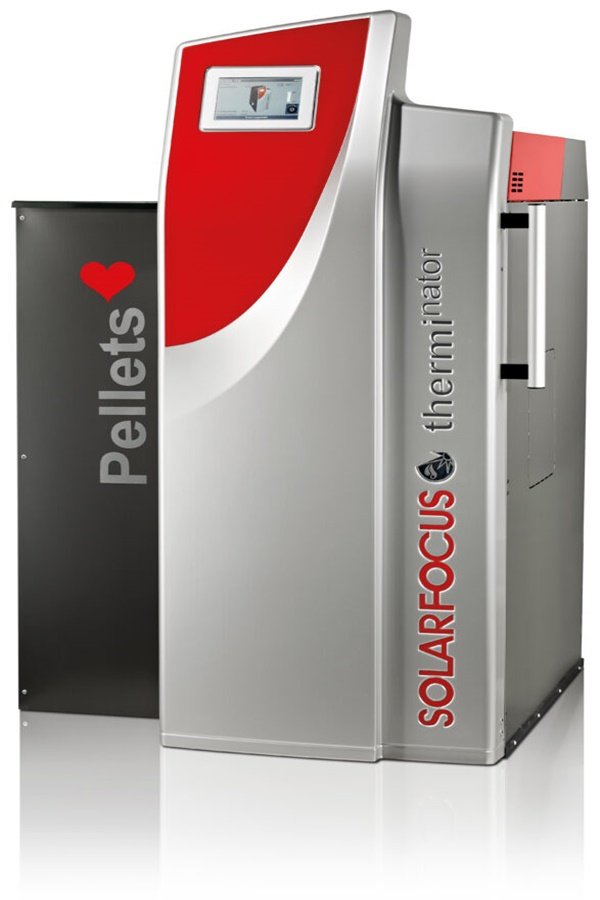
Wood pellet
Wood pellet is the most common type of wood fuel used in the UK. It is the cleanest, easiest to store and meets international quality standards. As the most energy-intense of the wood fuels, it requires less space and the boiler itself will be a lot smaller than its log or wood chip counterparts. The wood pellets are automatically fed into the boiler for combustion.
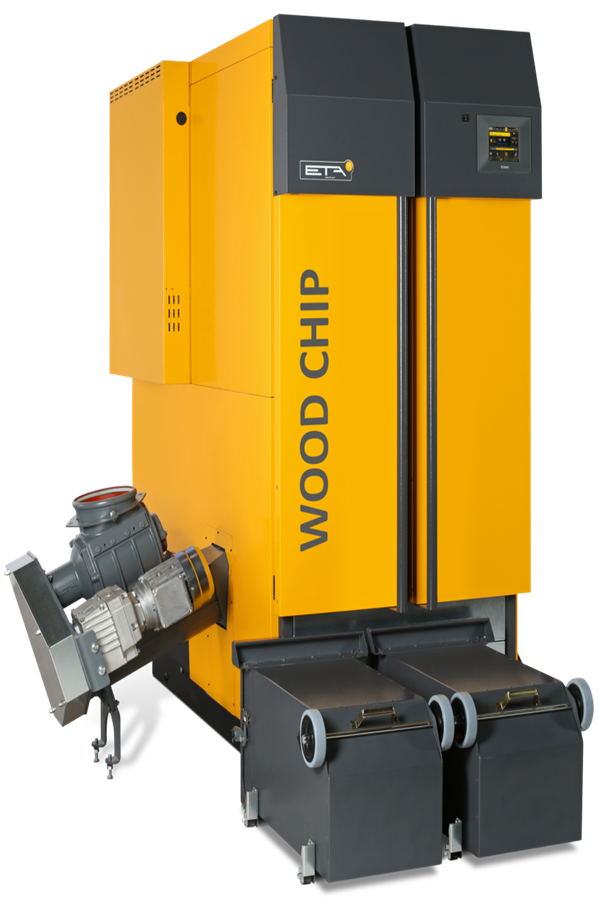
Wood chip
Wood chip is generally the cheapest type of wood fuel available, as long as it is produced and distributed locally. It is very bulky and needs even more storage space than logs. Wood chip is fed automatically into the biomass boiler. Wood chip is a great choice if you have a big heating demand, which is generally related to having an older home in exposed countryside areas.
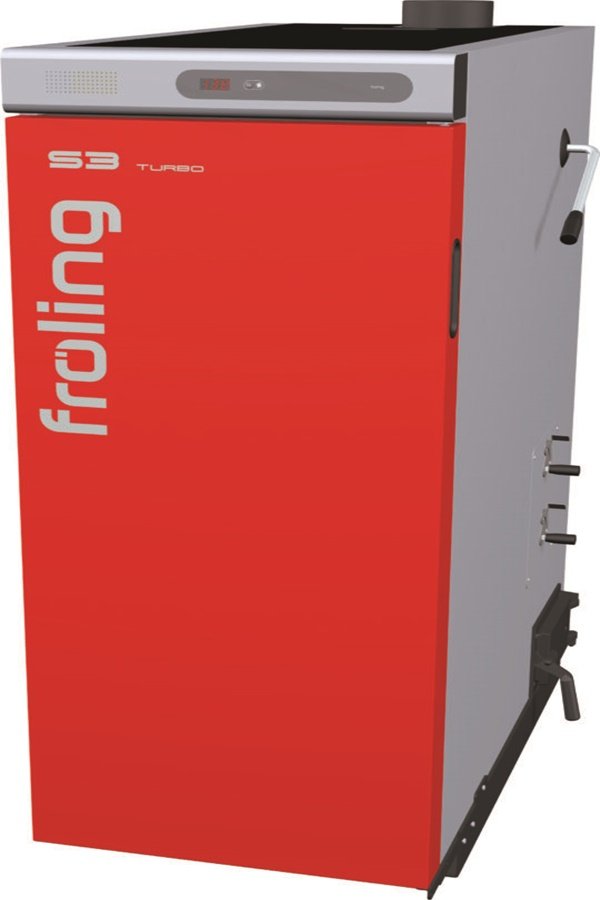
Log fuel
What Should You Know Before You Decide to Install a Biomass Boiler
A biomass boiler is a heating system that generates heat by burning biological materials, commonly referred to as biomass. These materials include wood pellets, wood chips, logs, agricultural residues, and other organic waste. The heat produced by the combustion process is used to warm water, which is then circulated through radiators, underfloor heating systems, or used to provide domestic hot water.
Biomass boilers operate on the same basic principle as conventional boilers but use renewable fuel instead of fossil fuels like natural gas or oil. This makes them a carbon-neutral or low-carbon heating option, as the carbon dioxide released during combustion is roughly equivalent to the amount absorbed by the trees and plants during their growth.
Types of Biomass Boilers
Understanding the different types of biomass boilers available on the market is the first step in determining which system is right for your needs. Each type has its own set of advantages, limitations, and ideal applications.
- Log Boilers (Batch-Fed Boilers)
Log boilers, also known as batch-fed boilers, are designed to burn logs that are manually loaded into the combustion chamber. These boilers are among the most basic and affordable types of biomass boilers available.
Key Features:
-
- Require manual loading of logs, typically once or twice a day
- Best suited for rural areas where wood is readily available
- Lower upfront cost compared to automated systems
- Require a buffer tank (thermal store) to maximize efficiency
- Ideal for homeowners who have access to a steady supply of logs
Log boilers are a popular choice for those living in countryside areas where firewood is abundant and affordable. However, they do require more hands-on involvement since the logs must be loaded manually, and the ash needs to be removed regularly.
- Wood Pellet Boilers
Wood pellet boilers are one of the most popular types of biomass boilers for both domestic and commercial use. These boilers burn small, compressed pellets made from sawdust, wood shavings, or other wood waste products.
Key Features:
-
- Highly automated with automatic fuel feeding systems
- Pellets are uniform in size and moisture content, ensuring consistent combustion
- Higher efficiency rates compared to log boilers (typically 90% or above)
- Require a dedicated pellet storage area (hopper or silo)
- Pellets can be delivered in bulk and stored for extended periods
Wood pellet boilers are an excellent option for those who want the convenience of an automated system without the need for constant manual intervention. The pellets are fed into the boiler from a storage hopper via an auger or pneumatic system, which means the boiler can operate for days or even weeks without requiring attention.
- Wood Chip Boilers
Wood chip boilers are designed to burn small pieces of chipped wood. These boilers are typically used in larger residential properties, farms, estates, and commercial or industrial settings.
Key Features:
-
- Use wood chips as fuel, which are often cheaper than pellets
- Require a larger storage area due to the lower energy density of wood chips
- Automated feeding systems similar to pellet boilers
- Best suited for properties with higher heat demands
- Wood chips can be locally sourced, reducing fuel costs further
Wood chip boilers are a cost-effective solution for larger properties or businesses with substantial heating requirements. The fuel is generally less expensive than pellets, but the lower energy density of wood chips means you’ll need more storage space to hold an adequate supply.
- Multi-Fuel Biomass Boilers
Multi-fuel biomass boilers are versatile systems designed to burn a variety of biomass fuels, including pellets, wood chips, logs, and even agricultural waste such as straw or grain husks.
Key Features:
-
- Flexibility to use multiple fuel types
- Ideal for agricultural settings where various biomass materials are available
- Can switch between fuel types depending on availability and cost
- Typically larger and more complex than single-fuel boilers
- Higher upfront investment but greater long-term flexibility
These boilers are particularly popular in agricultural and rural settings where different types of biomass waste are readily available throughout the year.

Also check out our Top Tips that will help you take care of your system and know when it’s time to get in touch.



We cover England and Wales and we are base near Reading, Berkshire.