
Biomass Boiler - We provide excellent service and maintenance of biomass boiler systems in England and Wales.
Pellet Boilers UK
Pellet boilers systems: a practical guide to cleaner, efficient home heating
As homeowners and builders increasingly seek sustainable, cost-effective heating solutions, pellet biomass systems have emerged as a compelling option. They offer the warmth and comfort of traditional furnaces while delivering advantages in fuel efficiency, emissions, and convenience. Below is a clear, professional overview designed for readers considering pellet heating for residential or small commercial spaces.
What is a pellet biomass heating system?
A pellet biomass system is a heating plant that burns compressed wood pellets to produce heat. Pellets are made from finely ground, compacted wood fibers, typically by binding with natural lignin. They are uniform in size and moisture content, which supports stable combustion and high efficiency. Pellet systems come in several configurations:
- Pellet boilers: Central heating units that burn pellets to produce hot water or steam for radiators, underfloor heating, or hydronic systems.
- Pellet stoves with integrated boilers: Units that switch between radiant room heating and radiant boiler operation.
- Pellet boilers with automatic pellet feeding: Systems equipped with an auger or screw feed that automatically refuels the burn chamber from a storage hopper.
- Hybrid systems: Combined configurations that integrate pellet boilers with other heat sources (e.g., solar thermal or heat pumps) for optimized efficiency and reliability.
Key components typically include:
- Pellet hopper: A storage bin held on-site, feeding pellets to the burner via an auger.
- Pellet burner/combustion chamber: Where pellets are ignited and burned.
- Heat exchanger: Transfers heat from combustion to the water or air circuit.
- Boiler control: Manages combustion, temperature, pumping, and safety interlocks.
- Ash disposal and cleaning mechanism: Collects ash and soot, with periodic maintenance required.
- Chimney or flue: Exhaust conduit for combustion byproducts, often with an optional flue gas monitor.
Why pellet biomass is appealing
- Renewable feedstock: Wood pellets are derived from sustainably managed forests or certified waste wood. When sourced responsibly, pellet heating can reduce fossil fuel dependence and support rural economies.
- High energy density and stability: Pellets have a uniform size and moisture content, enabling consistent, efficient combustion and predictable fuel consumption.
- Relative cleanliness: Pellets generally burn more cleanly than unprocessed wood, producing lower particulate emissions and less smoke, especially when modern, well-tuned boilers are used.
- Convenience and automation: Automatic feeding, ignition, and heat regulation reduce manual tasks compared with traditional wood stoves or open fireplaces.
- Cost considerations: Pellets can be price-stable relative to fluctuating fossil fuels, though regional price variability exists. In some markets, long-term price contracts or subsidies can improve total cost of ownership.
Understanding efficiency and emissions
- Efficiency metrics: Pellet boilers often achieve high seasonal performance efficiencies (SPF) in the 85-95% range for modern, well-maintained units. Actual efficiency depends on boiler design, system sizing, installation quality, and maintenance.
- Combustion quality: Proper furnace tuning, proper airflow, and pellet quality influence emissions. Incomplete combustion can raise particulate matter (PM), carbon monoxide (CO), and unburned hydrocarbon emissions.
- Emissions controls: Many modern pellet boilers include advanced combustion control, automatic cleaning, and, in some markets, integrated emissions monitoring or emission limits to meet regulatory standards.
- Pellet quality factors: Pellets vary by moisture content (typically 6-12%), density, ash content, and durability. Lower moisture content generally improves efficiency and reduces emissions. Poor-quality pellets can cause slagging, clinker formation, and fouling of the heat exchanger.
Sizing and system design
- Load calculation: Accurate heating load assessments (e.g., using heat loss calculations for the building) are crucial. Oversizing can waste fuel, increase costs, and reduce comfort; undersizing leads to insufficient heat during cold spells.
- System type: Hydronic (hot water) pellet systems are common in homes with radiators or underfloor heating. Air-based pellet stoves or boilers can be suitable for smaller spaces or retrofits.
- Combustion chamber and heat exchanger: Designs vary (cylindrical, vertical, or horizontal chambers), but the goal is stable combustion and efficient heat transfer with easy ash management.
- Heat distribution: A well-designed hydronic loop with properly sized pumps, buffers, and thermostatic controls ensures balanced heat delivery and reduces cycling losses.
- Combustion air and venting: Adequate fresh-air supply and a properly designed exhaust vent are critical for safe operation. Some installations use dedicated pellets-specific chimneys or Type-B venting, depending on local codes and appliance design.
Accessibility and convenience features
- Automated feeding and ignition: Reduces manual handling. Some systems include self-ignition and automatic cleaning cycles.
- Hoppers and storage: Pellets are stored in a hopper or external silo. Accessibility and outdoor storage considerations should be planned to minimize moisture exposure and pest risks.
- Remote monitoring: Many modern pellet systems offer apps or web interfaces for monitoring boiler status, fuel levels, and fault alerts, enabling proactive maintenance.
- Quiet operation: Modern pellet boilers emphasize quieter combustion and fan operation, improving comfort in living spaces and working environments.
Fuel supply and sustainability
- Sourcing: Look for certified wood pellets (e.g., through ENplus, WID, or other regional certifications) to ensure consistent quality and sustainable production.
- Moisture management: Pellets with higher moisture content require more energy to evaporate water during combustion, reducing efficiency. Store pellets in dry, well-ventilated spaces to maintain quality.
- Forest stewardship: Favor suppliers with credible forest management certification (e.g., FSC, PEFC) to support sustainable harvesting practices.
- Co-firing and waste pellets: Some systems can burn certain waste-derived pellets or bark pellets, but this depends on boiler design and local regulations. Always verify compatibility with the manufacturer.
Installation considerations
- Professional assessment: Engage a qualified heating installer or engineer who understands pellet systems, local codes, and building physics. A proper assessment reduces risks and ensures optimal performance.
- Permits and codes: pellet systems must comply with local building, electrical, and fire codes. Venting, clearance, and material specifications are critical for safety and performance.
- Integration with existing systems: If replacing a fossil boiler, plan for seamless integration with existing radiators, underfloor heating, and controls. Consider a buffer tank to smooth demand and reduce short cycling.
- Storage space: Determine feasible pellet storage locations that minimize weather exposure and pest access while preserving pellet quality.
- Maintenance plan: Pellet systems require periodic attention—ash removal, burner cleaning, combustion adjustments, and filter checks. Establish a maintenance schedule with a service provider.
Operating costs and economics
- Fuel price dynamics: Pellet prices can be more stable than fossil fuels over time but are still subject to market fluctuations and transport costs. Local supply and contracts matter.
- Efficiency and payback: Higher efficiency and longer system life can improve total cost of ownership. Factor in maintenance, electricity use, and potential incentives or subsidies.
- Taxes and incentives: Some regions offer rebates, tax credits, or subsidies for biomass heating, green energy programs, or fuel-switching initiatives. Check local programs and eligibility.
- Carbon footprint: Pellet systems can have lower lifecycle greenhouse gas emissions than fossil fuel boilers when sustainably sourced, though real-world results depend on transport, pellet quality, and end-use efficiency.
Advantages and potential drawbacks
Advantages:
- Lower fossil fuel dependence and potential emissions reductions.
- Comfort and reliability with automated operation.
- Compatibility with renewable energy mixes and hybrid systems.
- Potential cost savings over time with stable pellet pricing and subsidies.
Potential drawbacks:
- Upfront cost for equipment, installation, and storage solutions.
- Ongoing fuel handling and storage considerations.
- Dependence on a reliable pellet supply and quality control.
- Maintenance requirements to maintain peak efficiency and emissions performance.
- Space requirements for storage and equipment, including venting and clearances.
Maintenance and safety essentials
- Regular cleaning: Clean burn pot, heat exchanger surfaces, and ash collection areas according to the manufacturer’s schedule. Clogged passages reduce efficiency and can cause overheating.
- Ash management: Pellet boilers produce ash that should be disposed of in accordance with local guidelines. Don’t store ash near living spaces or flammable materials.
- Combustion checks: Periodically verify ignition stability, flame quality, and pressure readings. Professional tuning helps maintain optimal efficiency.
- Venting inspections: Inspect venting for obstructions, corrosion, and proper sealing. Ensure flue gas venting meets manufacturer and code requirements.
- CO and smoke detectors: Install in living areas and near sleeping spaces if the system is in proximity to habitable rooms. Regularly test detectors.
- Annual service: Schedule an annual professional service to inspect electrical components, fans, sensors, and control boards, and to perform performance testing.
Practical tips for choosing a pellet system
- Assess your heat load and comfort goals: Define target indoor temperature, zoning needs, and whether you want space heating, hot water, or both.
- Compare boiler types and efficiency claims: Look for certified efficiency ratings, robust warranty terms, and clear maintenance guidance.
- Check compatibility with existing systems: Ensure the pellet boiler can integrate with radiators or underfloor heating and any solar or heat pump components you may have.
- Evaluate pellet quality and supply: Choose reputable suppliers with consistent pellet quality, moisture controls, and delivery reliability.
- Budget for storage and space: Plan for a hopper or silo, plus space for the boiler and service access. Consider potential outdoor storage if indoor space is limited.
- Review warranties and service: Longer warranties and a local service network reduce risk and ensure timely support.
- Consider incentives: Investigate available grants, tax credits, or rebates for biomass heating in your region.
Real-world scenarios and considerations
- New build with underfloor heating: A properly sized pellet boiler with hot water circulation and underfloor heating can deliver uniform comfort. A buffer tank helps stabilize operations during high demand or pellet shortages.
- Retrofit for a single-family home: Retrofitting may involve adapting existing radiators to a hydronic pellet system and ensuring chimney or venting compatibility. Space planning for pellet storage and service access is critical.
- Small commercial space: A compact pellet boiler with automated feeding can efficiently support moderate commercial loads, especially when paired with a hybrid energy system (e.g., solar + pellet) to maximize self-consumption of renewable energy.
- Cold climate considerations: In very cold climates, designing for peak loads is essential. A buffer tank, properly sized heat emitters, and robust insulation improve reliability and comfort.
Common questions you might have
- Are pellet systems safe for homes? Yes, when installed correctly with proper venting, detectors, and regular maintenance, pellet systems are safe. Like any combustion-based heating, they require appropriate clearances and professional servicing.
- How long do pellets last in storage? Pellets should be stored in a dry environment with good ventilation. Moisture exposure shortens shelf life and reduces burn quality.
- Can I run a pellet system with solar or heat pumps? Absolutely. Hybrid configurations can maximize renewables, reduce fuel use, and improve resilience.
- What about ash and odor? Modern pellet boilers produce minimal odor when burning clean pellets. Ash disposal is regular maintenance but typically straightforward.
- Is backup heat necessary? In very cold or power-outage scenarios, having a backup heat source (e.g., a generator or auxiliary heater) can provide peace of mind, especially in poorly insulated homes or regions with harsh winters.
Conclusion: making an informed choice
Pellet biomass heating offers a compelling blend of renewable fuel use, automation, and comfortable warmth. When planned and installed correctly, with attention to pellet quality, system sizing, venting, and ongoing maintenance, pellet boilers can provide reliable, efficient, and lower-emission heating for homes and small commercial spaces.
If you’re considering a pellet heating system, start with a professional help of biomass engineer, who will help you to decide is pellet heating good for your home or not. If you take decision to invest in biomass and pellet system of heating you should start from checking evaluation of your building’s heat load, insulation quality, and living patterns. From there, compare certified appliances, assess pellet supply options, and explore any available incentives. With careful planning, a pellet biomass system can deliver warmth, resilience, and an environmentally conscious footprint for years to come.
Pellet boilers UK
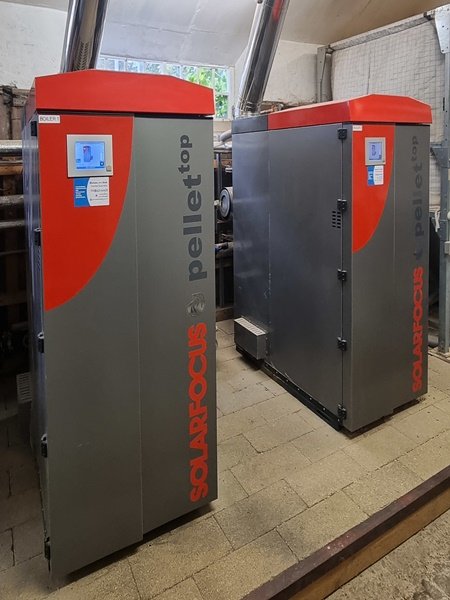
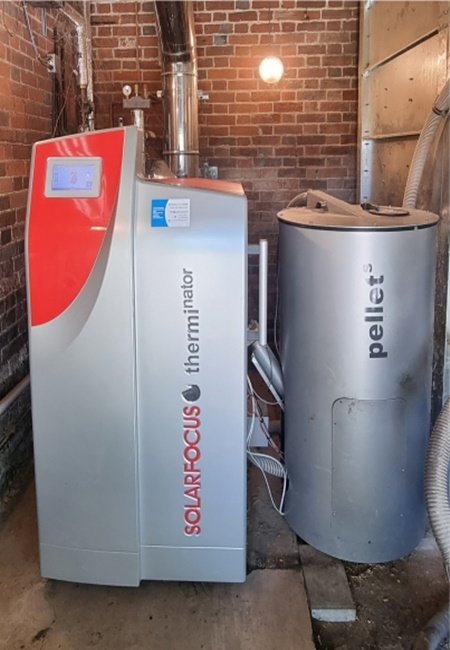
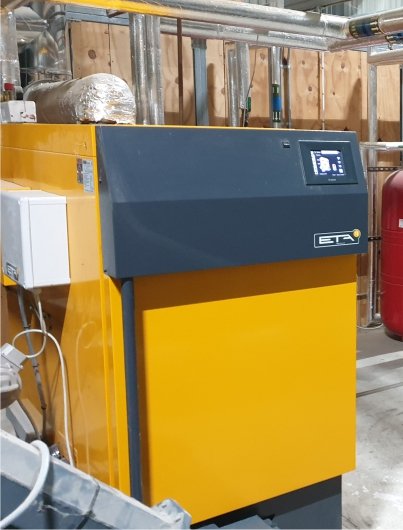

Also check out our Top Tips that will help you take care of your system and know when it’s time to get in touch.



We cover England and Wales and we are base near Reading, Berkshire.