Living off the gas grid is a reality for roughly four million households across the United Kingdom and countless more worldwide. Without access to mains natural gas, homeowners must navigate a maze of alternative heating options — each with its own price tag, environmental footprint, and practical quirks. If you have ever found yourself staring at a fuel bill and wondering whether there is a smarter way to keep your rural property warm, you are not alone.
In this comprehensive guide, we put the biomass boiler head-to-head against four popular off-grid alternatives: oil-fired heating, LPG (liquefied petroleum gas), direct electric systems, and air- or ground-source heat pumps. By the end, you will have a clear picture of running costs, carbon emissions, maintenance demands, and overall suitability for rural properties — everything you need to make a confident, informed decision.
Understanding the Biomass Boiler: A Quick Primer
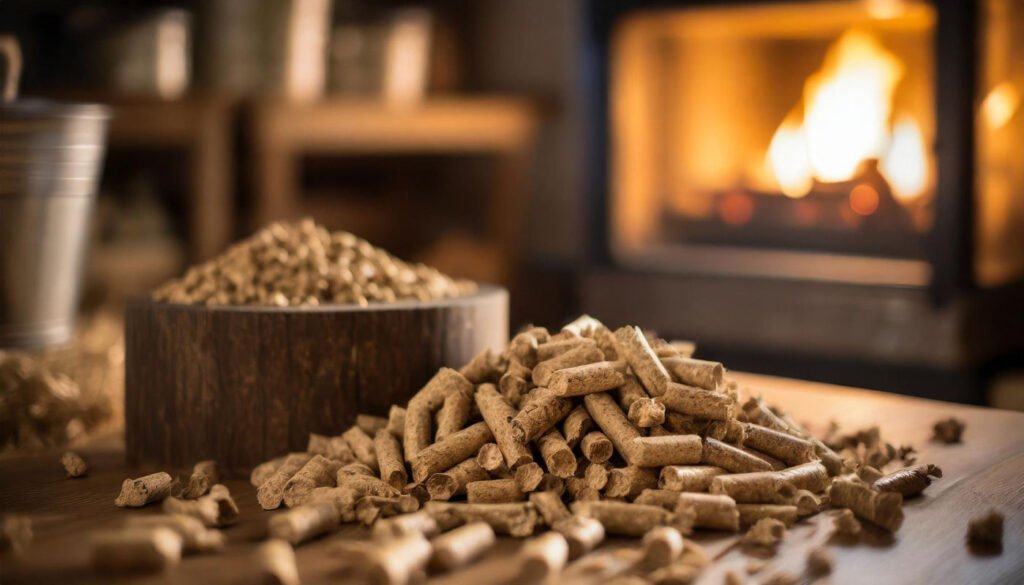
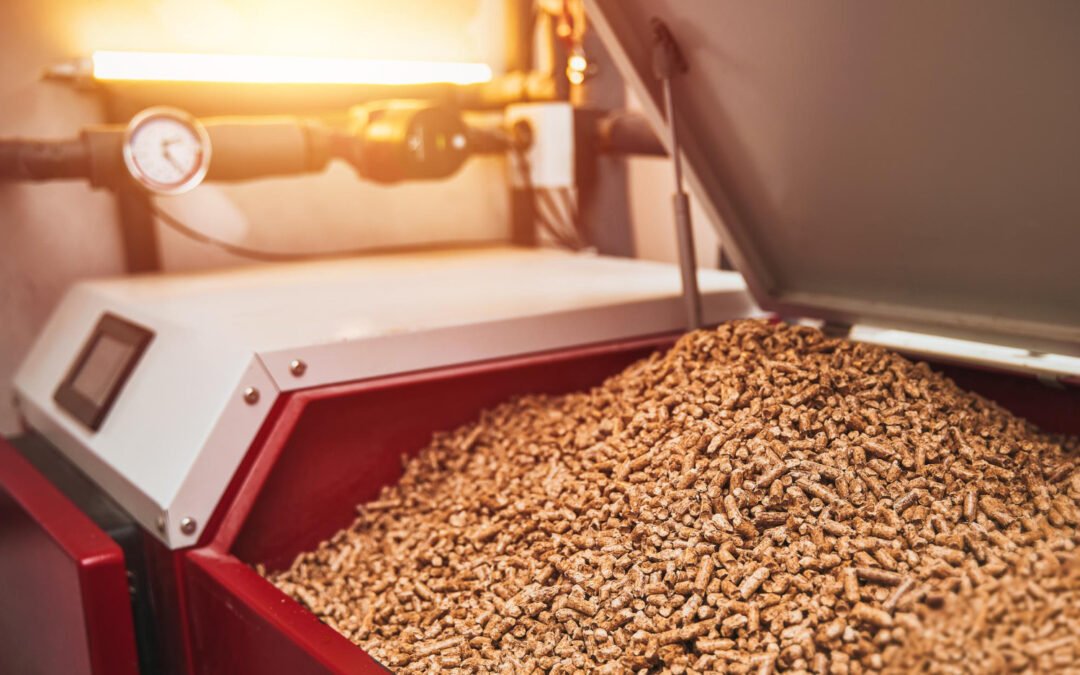
A biomass boiler burns organic material — most commonly wood pellets, wood chips, or logs — to generate heat for your central heating system and domestic hot water. Modern units are highly automated, featuring self-cleaning mechanisms, thermostatic controls, and large fuel hoppers that only need topping up every few days or even weeks.
Because the fuel source is derived from sustainably managed woodland, the carbon dioxide released during combustion is roughly equal to the amount the tree absorbed while growing. This closed carbon loop is what gives the biomass boiler its strong environmental credentials and positions it as a genuinely renewable heating technology.
The Contenders at a Glance
1. Oil-Fired Heating
Oil boilers have been the default choice for off-grid homes for decades. A delivery tanker fills an external storage tank, and the boiler burns kerosene to heat water. The technology is mature, reliable, and well understood by most heating engineers.
Running Costs: Oil prices are notoriously volatile, tied to global crude markets and geopolitical events. In recent years, homeowners have seen per-litre costs swing dramatically, making long-term budgeting difficult. On average, oil remains one of the more expensive fossil fuel options for off-grid heating.
Carbon Emissions: Oil is carbon-intensive. A typical oil boiler emits around 265–280 g CO₂ per kWh of heat delivered, placing it among the worst offenders in the off-grid lineup.
Maintenance: Annual servicing is essential to keep the burner nozzle, filters, and flue in good condition. Storage tanks also require periodic inspection for leaks and corrosion, adding to the long-term upkeep burden.
Rural Suitability: Oil is widely available even in remote areas, and delivery infrastructure is well established. However, you need space for a large external tank, and the risk of soil contamination from leaks is a genuine environmental concern in sensitive rural landscapes.
2. LPG (Liquefied Petroleum Gas)
LPG is stored in a pressurised tank on your property and burned in a boiler that operates much like a mains-gas unit. It produces a cleaner flame than oil and can also fuel gas hobs and fires.
Running Costs: LPG is generally more expensive per kWh than oil, and prices are similarly subject to market fluctuations. Standing charges from LPG suppliers — who often lock you into long-term contracts — can further inflate annual bills.
Carbon Emissions: LPG emits approximately 214 g CO₂ per kWh, which is lower than oil but still significantly higher than renewable alternatives like a biomass boiler.
Maintenance: LPG boilers require annual servicing similar to natural gas models. The storage tank is usually owned by the fuel supplier, which simplifies tank maintenance but reduces your negotiating power on price.
Rural Suitability: LPG is a practical option for properties with limited storage space, as underground tanks can be buried out of sight. Delivery access, however, can be challenging for homes on narrow country lanes, and some suppliers impose minimum order quantities that do not suit smaller households.
3. Direct Electric Heating
Electric heating encompasses storage heaters, electric radiators, electric boilers, and infrared panels. There is no combustion, no flue, and no fuel delivery — just a connection to the electricity grid (or your own solar array).
Running Costs: Standard-rate electricity is the most expensive heating fuel per kWh in almost every market. Even with an Economy 7 tariff or time-of-use pricing, running costs tend to be two to three times higher than a biomass boiler burning locally sourced wood pellets.
Carbon Emissions: The carbon intensity of electric heating depends entirely on the grid mix. In countries with high renewable penetration, electric heating can be relatively low-carbon. In regions still reliant on coal or gas-fired power stations, the indirect emissions can rival or even exceed those of oil.
Maintenance: Electric systems are virtually maintenance-free. There are no moving parts, no combustion by-products, and no annual service requirements — a significant advantage for homeowners who want a “fit and forget” solution.
Rural Suitability: Electric heating is straightforward to install in any property with a grid connection. However, older rural homes with poor insulation and high heat demand can face crippling electricity bills, making this option most viable for small, well-insulated dwellings or as a supplementary heat source.
4. Air-Source and Ground-Source Heat Pumps
Heat pumps extract low-grade thermal energy from the outside air or the ground and upgrade it to a usable temperature using a refrigeration cycle. They are powered by electricity but can deliver three to four units of heat for every unit of electricity consumed, giving them an effective efficiency of 300–400 %.
Running Costs: Because of their high coefficient of performance (COP), heat pumps can be cost-competitive with fossil fuels — and significantly cheaper than direct electric heating. Running costs vary depending on electricity prices, the age and insulation of the property, and the type of heat emitter (underfloor heating works best).
Carbon Emissions: Heat pumps are low-carbon, especially as grids decarbonise. A well-installed system can cut heating emissions by 60–70 % compared to oil.
Maintenance: Annual checks on refrigerant levels, filters, and the outdoor unit are recommended. Ground-source systems have fewer moving parts exposed to the elements and tend to be more reliable long-term, but the ground loop installation is invasive and expensive.
Rural Suitability: Heat pumps perform best in well-insulated homes with large radiator surfaces or underfloor heating. Many older rural properties — stone farmhouses, converted barns, listed buildings — struggle to retain heat at the lower flow temperatures heat pumps produce. Retrofitting insulation and upgrading emitters can add tens of thousands to the project cost, which is a major barrier for off-grid homeowners on a budget.
Head-to-Head Comparison
Running Costs
When you line up the annual fuel bills, a biomass boiler consistently ranks among the most affordable off-grid options, particularly when wood fuel is sourced locally. Wood pellets typically cost less per kWh than oil, LPG, or standard-rate electricity. The savings widen further if you have access to your own woodland or can purchase logs in bulk from a nearby supplier.
Heat pumps can match or beat a biomass boiler on running costs in well-insulated properties, but their efficiency drops sharply in draughty, poorly insulated homes — precisely the type of building most common in rural areas. Oil and LPG remain the most unpredictable, with prices liable to spike during cold winters or supply disruptions.
Carbon Footprint
The biomass boiler holds a clear advantage in the carbon stakes. While combustion does release CO₂, the sustainable regrowth of the fuel source reabsorbs that carbon, creating a near-neutral cycle. Heat pumps are also low-carbon, but their footprint is indirect and grid-dependent. Oil and LPG are unabashedly fossil-fuel technologies with no credible pathway to net-zero without carbon offsetting.
Maintenance and Longevity
A quality biomass boiler requires regular ash removal (typically every few weeks), annual servicing, and occasional replacement of wear parts such as igniters and gaskets. This is more hands-on than electric heating or heat pumps but comparable to oil and LPG systems. With proper care, a biomass boiler can last 20 years or more, which is on par with the best oil boilers and significantly longer than many heat pump installations.
Suitability for Rural Properties
This is where the biomass boiler truly shines. Rural homes tend to be older, larger, and harder to insulate — characteristics that favour a high-temperature, high-output heating system. A biomass boiler can deliver flow temperatures of 70–80 °C, making it a drop-in replacement for an existing oil or LPG boiler without requiring expensive upgrades to radiators or insulation.
Heat pumps, by contrast, often require a whole-house retrofit to perform efficiently. Oil and LPG are practical but increasingly unattractive from both a cost and environmental perspective. Direct electric heating is simply too expensive for most rural households with high heat demand.
So, Which Is Best for Your Off-Grid Home?
There is no single “right” answer for every property, but the decision matrix becomes clearer when you weigh your priorities:
- If low running costs and carbon neutrality are your top goals, a biomass boiler is difficult to beat. It offers affordable, renewable heat that works seamlessly with existing radiator systems in older rural homes.
- If you have a modern, well-insulated property and access to capital for upfront investment, a ground-source heat pump may deliver the lowest lifetime costs and the smallest carbon footprint.
- If simplicity and zero maintenance are paramount, direct electric heating or a heat pump may appeal, provided your home’s heat demand is modest.
- If you are on a tight budget and need a short-term fix, oil or LPG may remain the pragmatic choice — but be aware that fossil fuel prices are likely to rise as carbon taxes increase and subsidies shift toward renewables.
Final Thoughts
The off-grid heating landscape is changing fast. Government incentives, tightening emissions regulations, and volatile fossil fuel markets are all pushing homeowners toward renewable solutions. Among those solutions, the biomass boiler occupies a unique sweet spot: it delivers high-temperature heat to draughty rural homes, runs on a locally sourced renewable fuel, and keeps annual bills predictable and affordable.
Before committing to any system, consult a qualified heating engineer who understands the specific challenges of off-grid properties. Request detailed running cost projections, explore available grants or subsidies, and consider the long-term trajectory of fuel prices in your region. With careful planning, you can enjoy a warm, comfortable home without relying on the gas grid — and without costing the earth.
Whether you ultimately choose a biomass boiler, a heat pump, or another technology, the most important step is to start the conversation now. The sooner you transition to a sustainable heating system, the sooner you will begin reaping the financial and environmental rewards for decades to come.