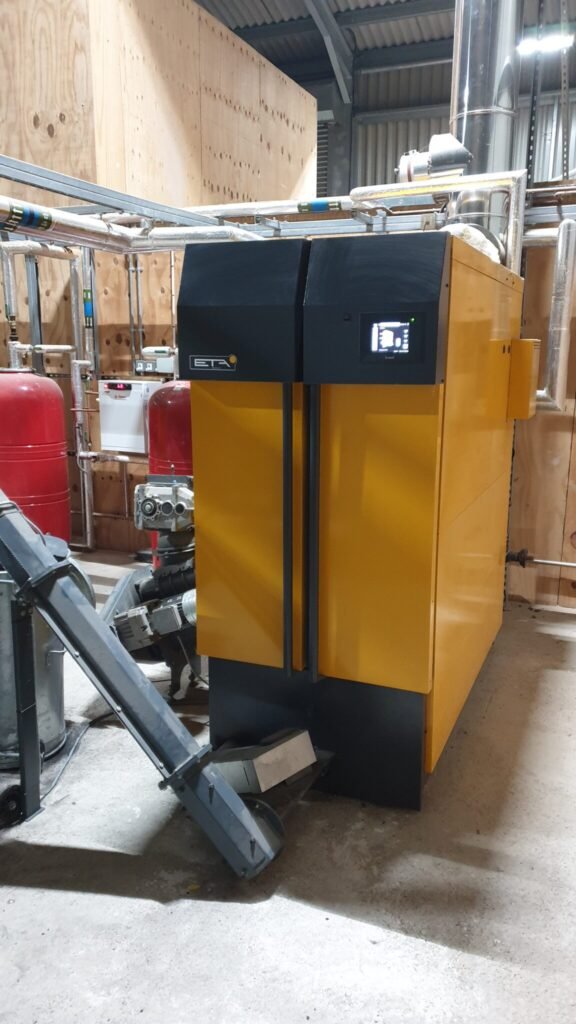
Biomass Boiler Not Igniting: Common Causes and When to Call an Engineer
A biomass boiler is one of the most efficient and environmentally responsible ways to heat a home or commercial building. Burning wood pellets, wood chips, or other organic fuels, these systems can significantly reduce heating costs and carbon emissions. However, like any complex heating appliance, a biomass boiler can develop faults. One of the most frustrating is a boiler that refuses to ignite.
When a biomass boiler fails to start, the building can lose heat quickly, especially during the colder months. Some faults are simple and can be resolved with basic checks. Others involve electrical, mechanical, or safety components that require a qualified engineer. This guide explains the most common reasons a biomass boiler does not ignite, outlines safe troubleshooting steps, and describes when professional biomass boiler service is essential.
Understanding How a Biomass Boiler Ignites
Before looking at causes, it helps to understand the ignition sequence. In a typical biomass boiler, the control system first checks that the fuel store has sufficient fuel, that safety thermostats are within limits, and that the system has adequate water pressure. The auger or feed mechanism then delivers fuel to the burn pot or combustion chamber. An igniter, often an electric element or hot air system, heats the fuel bed, and a combustion fan provides the air needed to sustain the fire. Once the flame is detected, the boiler moves into normal operation.
If any step in this sequence fails, the control board will usually stop the process and display an error code or lockout. Understanding where the process breaks down is the first step toward a repair.
Common Causes of Biomass Boiler Ignition Failure
- Fuel Supply Problems
The most frequent cause of ignition failure is a problem with the fuel supply. If the fuel hopper is empty or low, the auger may not deliver enough fuel to the burn pot. Level sensors can also malfunction, incorrectly signalling that the hopper is empty when it is not.
Blockages are another common issue. Pellets can jam in the auger, bridge across the hopper, or become stuck in the feed tube. Foreign objects, such as small stones or debris in the fuel, can also halt the auger motor. In some cases, the auger motor itself may have overheated and triggered its thermal protection.
- Poor Fuel Quality and Moisture Content
Biomass boilers are designed to burn fuel within specific parameters. Pellets or chips that are damp, swollen, or crumbled into dust will not burn correctly. Damp fuel absorbs heat that should go toward ignition, and fine dust can clog the feed system or create poor combustion. Fuel that does not meet the manufacturer’s specification for size, density, or moisture can cause repeated ignition failures. Always store fuel in a dry, ventilated area and use only the fuel type recommended for your appliance.
- Faulty Ignition System
The igniter is a consumable component that wears out over time. Electric igniters, commonly fitted in pellet and wood chip boilers, can burn out after thousands of cycles. When the igniter fails to reach the required temperature, the fuel bed never catches. Hot air ignition systems can also develop faults in their heating elements or associated fans. A faulty igniter often causes the boiler to attempt ignition several times before locking out.
- Airflow and Draught Issues
Combustion requires a precise balance of fuel and air. If the combustion fan is faulty or running too slowly, the fire cannot be established. Blockages in the air inlet, a dirty fan impeller, or a damaged fan motor can all prevent ignition. Draught problems are equally important. A blocked or undersized flue, a chimney obstruction such as a bird nest, or a poorly sealed flue joint can prevent the boiler from creating the negative pressure needed for safe operation. Many boilers have a pressure switch that will not allow ignition until the correct draught is detected.
- Control and Safety System Faults
Modern biomass boilers rely on a network of sensors and safety devices. The control board may fail to start the sequence if a sensor is giving incorrect readings. Common culprits include flue gas temperature sensors, boiler water temperature sensors, and pressure sensors. Safety thermostats, which shut the boiler down if it overheats, can trip and remain in lockout until manually reset. Low water pressure in the heating system is another frequent cause, as the boiler will not fire if pressure falls below the minimum threshold.
Electrical faults should also be considered. A blown fuse, a faulty relay, a loose wire, or a problem with the power supply can prevent any part of the system from starting. Power surges during storms can damage control boards, sometimes leaving the appliance unable to complete its start-up routine.
- Ash Build-Up and Grate Problems
Ash that accumulates in the burn pot or on the grate restricts airflow and can smother the fire before it establishes. Over time, ash can form clinker, a hard, glassy residue that blocks the grate and prevents fuel from burning evenly. Regular ash removal is essential, and most boilers have automated or manual cleaning cycles. If these cycles fail, or if the grate mechanism is damaged, ignition can become impossible.
Basic Troubleshooting Steps You Can Safely Try
Some ignition problems can be checked by the building owner or a competent user, provided that safety is the priority. Before doing anything, make sure the boiler is cool, the power is isolated where appropriate, and you follow the manufacturer’s manual.
- Check the fuel hopper. Confirm there is enough fuel and that the store is not empty or badly blocked.
- Inspect the fuel quality. Look for damp, crumbled, or dusty pellets or chips.
- Review the display or error code. Note the code and refer to the manual, as it often identifies the specific fault.
- Check the water pressure. Ensure the heating system pressure is within the range shown on the boiler gauge.
- Confirm the power supply. Check that the boiler is switched on at the isolator and that fuses have not blown.
- Clear the ash. Follow the manufacturer’s instructions to empty the ash pan and clean the burn pot.
- Reset the boiler once. If the boiler is in lockout, a single reset may clear a temporary fault. Repeated resets without finding the cause can cause further damage and are not recommended.
If these steps do not resolve the problem, stop and seek professional help.
When to Call an Engineer
Some situations should never be handled by the homeowner alone. Contact a qualified engineer if:
- The boiler fails to ignite after basic checks, or repeatedly locks out.
- The error code persists or the manual does not explain it.
- You detect a burning smell, scorching, or unusual noises from the electrical components.
- Smoke is entering the room, or a carbon monoxide alarm activates.
- You notice fuel leaks, damaged seals, or a cracked burn pot.
- A component such as an igniter, fan, auger motor, or control board needs replacing.
- The safety thermostat has tripped and you are unsure why.
- The boiler is overdue for its annual service.
Biomass boilers involve high temperatures, combustible fuel, and sophisticated control systems. Attempting repairs beyond your competence can compromise safety, void warranties, and cause costly damage. Qualified engineers have the training, diagnostic tools, and access to genuine parts needed to find the root cause quickly and safely.
It is also worth checking that any engineer you choose is suitably qualified. In the UK, biomass appliances and installers are often certified through HETAS, and installations should comply with relevant building regulations and manufacturer requirements.
Preventing Ignition Problems with Regular Maintenance
Most ignition faults can be prevented with a consistent maintenance routine. Regular servicing allows an engineer to inspect and clean the combustion chamber, check the igniter, test the fan and draught, verify sensor accuracy, and assess the auger and feed system for wear. Routine maintenance also helps identify small issues before they become major breakdowns.
A good maintenance plan typically includes:
- Daily or weekly ash removal, depending on usage
- Regular cleaning of the burn pot, grate, and heat exchanger
- Flue and chimney sweeping at recommended intervals
- Checking fuel storage conditions and fuel quality
- An annual professional service to test all safety and control systems
Keeping a service record is also valuable, as it helps track component replacements and supports warranty claims.
Why Professional Biomass Boiler Service Matters
A biomass boiler is a significant investment, and its reliability depends on correct installation, careful operation, and expert servicing. Professional biomass boiler service ensures that your system runs safely, efficiently, and in accordance with manufacturer guidelines. An experienced engineer can identify issues that a homeowner may miss, such as early signs of corrosion, gradual airflow loss, or sensor drift. Timely intervention can save money on fuel, reduce emissions, extend the lifespan of the appliance, and prevent emergency breakdowns during the coldest weeks of the year.
Hire Proadvance for Your Biomass Boiler Service in Reading, Berkshire
If your biomass boiler is not igniting, showing error codes, or simply due for its annual check, Proadvance is ready to help. Based in Reading, Berkshire, Proadvance provides professional biomass boiler service for homes and businesses across the local area. Whether you need urgent fault diagnosis, a routine service to keep your system running efficiently, or advice on the best maintenance plan for your biomass boiler, the Proadvance team can help you get your heating back on track.
Do not wait for a small fault to become an expensive breakdown. Arrange your biomass boiler service with Proadvance today. To learn more about the services offered and to get in touch, visit https://proadvance.co.uk.
Final Thoughts
A biomass boiler that will not ignite can be caused by a wide range of issues, from an empty hopper or damp fuel to a failed igniter, faulty fan, or control system fault. Simple checks can resolve some problems, but persistent lockouts, electrical concerns, and safety-related faults should always be referred to a qualified engineer. With regular maintenance and prompt professional attention, your biomass boiler can deliver reliable, efficient, and sustainable heat for many years.