About Froling Biomass Boilers, Service Intervals, Parts, and Common Faults
Biomass heating has established itself as one of the most reliable, eco-friendly, and cost-effective alternatives to traditional fossil fuel heating systems. Among the leading global manufacturers of modern wood-fired boilers, the Austrian brand Froling stands out for its engineering excellence, fuel efficiency, and cutting-edge technology.
Whether you operate a residential pellet boiler or a commercial wood chip heating plant, understanding how your Froling biomass boiler operates—along with its routine service requirements, critical spare parts, and common troubleshooting scenarios—is essential for ensuring long-term reliability and peak efficiency.
This comprehensive guide covers everything you need to know about Froling biomass boilers, from maintenance schedules and essential components to common fault resolutions and expert servicing options.
About Froling Biomass Boilers
Founded in Austria over 50 years ago, Froling has been a pioneer in modern wood heating technology. Froling biomass boilers are renowned for their exceptional build quality, high seasonal efficiency (often exceeding 90–95%), and advanced digital control systems.
Froling manufactures a versatile lineup of biomass systems designed to burn wood pellets, wood chips, and log wood. Some of the most widely installed models across domestic, agricultural, and commercial sectors include:
- Froling PE1 & PE4 Pellet: Compact, highly efficient, and whisper-quiet pellet boilers engineered specifically for domestic and light commercial applications.
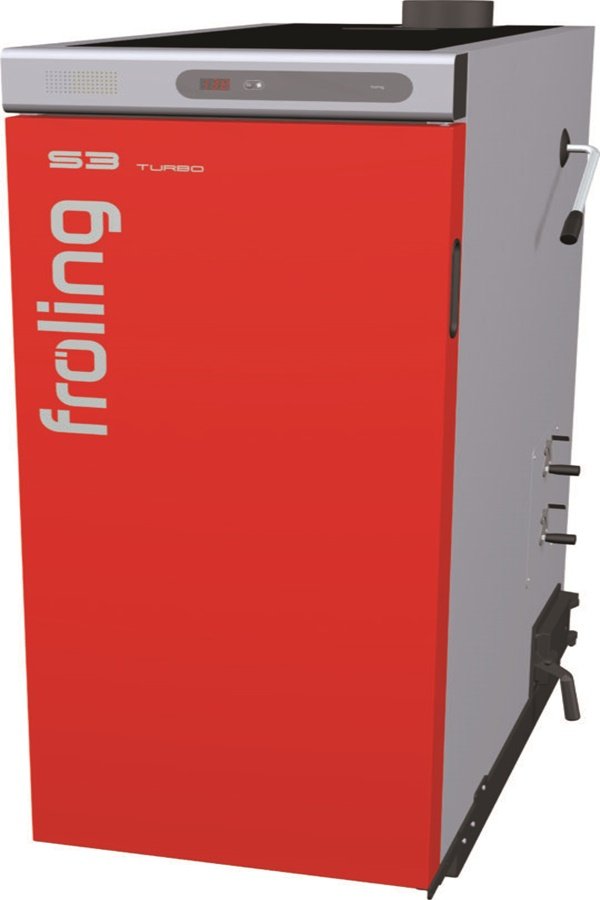
- Froling S4 Turbo & S3 Turbo: High-performance log boilers equipped with carbonizing gas extraction technology for clean, long-lasting burns.
- Froling T4e & TX: Heavy-duty, fully automatic wood chip and pellet boilers built for demanding agricultural, district heating, or large commercial enterprises.
- Froling SP Dual: A flexible dual-fuel system capable of burning both firewood logs and wood pellets seamlessly within two separate combustion chambers.
At the core of these systems is Froling’s proprietary Lambdatronic controller. This smart control technology continuously monitors flue gas temperatures, boiler water temperatures, and residual oxygen levels via a Lambda sensor to automatically adjust air intake and fuel delivery for optimal combustion.
Recommended Service Intervals and Maintenance Schedules
Like any high-performance thermal equipment, a Froling biomass boiler requires systematic maintenance to preserve combustion efficiency, reduce fuel consumption, prevent emergency breakdowns, and comply with manufacturer warranties or government schemes (such as the RHI or boiler standards).
A well-structured maintenance routine combines regular user checks with scheduled annual servicing by qualified engineers.
- Weekly to Monthly User Checks
- Ash Removal: Depending on your fuel quality and usage, empty the ash container regularly. While many Froling models feature automatic ash extraction into an external container, checking the ash box prevents backlogs.
- Visual Inspection: Visually check the combustion chamber (when cool), the fuel hopper, and the feed auger for foreign objects or excess sawdust (fines).
- Buffer Tank & System Pressure: Ensure your heating system water pressure remains within the safe operating range (typically between 1.2 and 2.0 bar).
- Bi-Annual or Seasonal Maintenance
- Heat Exchanger Cleanliness: Although most modern Froling boilers incorporate an automatic WOS (Efficiency Optimization System) that cleans the heat exchanger pipes with spring turbulators, manual inspection once or twice a year ensures no heavy creosote or soot buildup has formed.
- Fuel Store Inspection: Check the pellet hopper or chip store for dust accumulation, bridging, or moisture ingress.
- Annual Professional Servicing (Crucial)
A Froling biomass boiler must undergo a thorough annual service conducted by a trained biomass engineer. An annual service typically includes:
- Deep cleaning of the combustion chamber, burn grate, primary/secondary air passages, and flue collector.
- Inspection and cleaning of the Lambda probe (O2 sensor) and flue gas sensors.
- Testing and lubricating drive motors, stoker augers, and rotary valves.
- Inspection of door ropes, heat-resistant seals, and refractory bricks.
- Full combustion analysis using a flue gas analyzer to fine-tune the fuel-to-air ratio.
- Software updates and safety device testing (STB safety thermostat, burn-back protections).
Key Components and Critical Parts of a Froling Boiler
To troubleshoot issues or communicate effectively with service engineers, it helps to be familiar with the main mechanical and electronic parts that drive a Froling biomass boiler.
- Lambda Sensor (O2 Sensor): Located in the flue gas exit, this sensor measures residual oxygen. It communicates with the Lambdatronic controller to dynamically adjust primary and secondary air dampers.
- Ignition Element / Hot Air Blower: An electric ceramic or cartridge heater that ignites the wood pellets or chips automatically during a heat demand cycle.
- WOS (Efficiency Optimization System): A motorized or manual mechanism that moves internal springs/turbulators up and down inside the heat exchanger tubes, removing fly ash and keeping heat transfer high.
- Rotary Discharge Valve (Burn-back Protection): A safety barrier that isolates the fuel storage from the combustion chamber, preventing flames or hot gases from traveling backward into the pellet store.
- Draft Fan (Induced Draft / Flue Gas Fan): A variable-speed suction fan at the boiler outlet that maintains negative pressure inside the combustion chamber and draws exhaust gases out into the chimney flue.
- Tipping/Sliding Grate Mechanism: Automatically removes clinker and ash from the burn grate into the ash pan, ensuring an uninterrupted flow of primary combustion air.
Common Faults and Troubleshooting Guide
While Froling boilers are exceptionally robust, operational issues can arise due to low fuel quality, component wear, or lack of routine maintenance. Below are some of the most frequent fault codes and mechanical issues encountered:
- Ignition Failure (“Ignition Fault / No Flame Detected”)
- Causes: A failed ceramic ignition element, blown fuse, ash-covered ignition port, or poor-quality fuel (wet pellets/excess pellet dust).
- Solution: Inspect the burn grate for unburnt fuel. Clean the ignition zone. If the ignition element fails to glow during the startup phase, it requires replacement.
- Lambda Sensor Errors (“Lambda Probe Fault / Oxygen Value Unstable”)
- Causes: Heavy soot accumulation on the probe tip, a failed heating element within the probe, false air leaking into the boiler through a worn door seal, or faulty wiring.
- Solution: Carefully clean the probe with a soft brush. Inspect combustion door gaskets for air leaks. Recalibrate the probe via the controller; if error readings persist, replace the Lambda sensor.
- Stoker or Auger Jams (“Stoker Motor Overload / Fuel Feed Jam”)
- Causes: Foreign objects (nails, rocks, plastic) in the fuel supply, high concentration of sawdust (pellet fines) packing tightly in the auger tube, or a failed capacitor on the feed motor.
- Solution: Isolate power before attempting to clear jams manually. Clear debris from the rotary valve or auger trough. Always source ENplus A1 certified pellets to reduce sawdust accumulation.
- Flue Gas Temperature / Draft Faults (“Draft Fan Error / Flue Temp Too High”)
- Causes: A dirty heat exchanger, blocked flue chimney, faulty draft fan motor, or miscalibrated pressure sensor.
- Solution: Perform a thorough cleaning of the heat exchanger tubes and chimney connection. Check if the draft fan spins freely without mechanical resistance or bearing noise.
- Over-Temperature Cut-Out (“STB Safety Thermostat Tripped”)
- Causes: The boiler water temperature exceeded safe limits (usually above 95°C). This often occurs due to a circulating pump failure, power cut during high firing, trapped air, or a failure in the heat dump system/buffer tank flow.
- Solution: Allow the boiler to cool down completely, locate the mechanical STB safety switch under the control cover, and reset it. Investigate why heat was not transferred away from the boiler (check heating pumps and valves).
Professional Froling Biomass Boiler Servicing from Proadvance (Reading, Berkshire)
Owning a sophisticated heating system like a Froling biomass boiler requires specialist care. General plumbing contractors often lack the specialized diagnostic tools, spare parts, and software training needed to properly service and repair modern biomass plant equipment.
If your Froling boiler is due for its annual service, requires urgent fault repairs, or needs a system efficiency tune-up, look no further than Proadvance.
Why Choose Proadvance for Your Froling Boiler?
Based in Reading, Berkshire, Proadvance is a premier engineering specialist delivering comprehensive heating, biomass, and renewable energy maintenance services throughout Reading, Berkshire, and the surrounding South East region.
When you hire Proadvance for your Froling biomass boiler service, you benefit from:
- Biomass Expertise: Fully trained engineers with extensive hands-on experience diagnosing, servicing, and repairing Froling pellet, log, and wood chip boilers.
- Genuine Spare Parts: Access to high-quality replacement parts—including Lambda probes, ignition elements, door seals, and drive motors—ensuring lasting repairs and preserving manufacturer standards.
- Comprehensive Service Packages: From detailed physical cleanings and mechanical adjustments to digital combustion diagnostics using precise flue gas analyzers.
- System Optimization: Beyond fixing immediate faults, Proadvance analyzes your complete heating setup—including buffer storage tanks, pumps, and control parameters—to maximize fuel economy and system efficiency.
- Local & Reliable: Based in Reading, Berkshire, Proadvance provides swift response times and ongoing maintenance support for domestic, commercial, and agricultural clients.
To book your Froling biomass boiler service or request emergency breakdown support in Berkshire, visit proadvance.co.uk today and speak with their qualified engineering team.
Summary
A Froling biomass boiler is an outstanding investment in sustainable, carbon-lean heating. By adhering to regular maintenance schedules, paying attention to fuel quality, and addressing error codes promptly, you can ensure your system delivers dependable heat for decades.
To maintain maximum efficiency and avoid unexpected downtime, always partner with certified biomass specialists. For expert Froling biomass boiler servicing in Reading, Berkshire, trust the professionals at Proadvance to keep your system running smoothly year-round.