Biomass Boiler Annual Service Checklist: 15 Checks a Qualified Engineer Should Carry Out
A biomass boiler is one of the most effective ways to heat a home or commercial property using renewable fuel such as wood pellets, wood chips or logs. Compared with fossil fuel systems, a biomass boiler can significantly reduce carbon emissions and give property owners greater control over long-term heating costs. However, these systems are also more mechanically complex than a standard gas or oil boiler. They rely on automated fuel feeds, high-temperature combustion, ash removal and flue systems that all need regular attention.
This is why an annual biomass boiler service is not optional. It is a critical part of responsible ownership. A thorough service helps prevent breakdowns, maintains efficiency, protects the people using the building and keeps the system compliant with safety standards. In this article, we set out the 15 checks that a qualified engineer should carry out during a professional annual service.
Why an Annual Biomass Boiler Service Matters
Biomass combustion produces ash, soot, tar and other residues. Over time, these deposits build up on heat exchangers, grates and flue surfaces. When this happens, the boiler works harder, burns fuel less efficiently and becomes more likely to malfunction. Blocked flues can also allow dangerous gases to escape, which creates a serious safety risk.
A regular biomass boiler service delivers several benefits:
-
- Improved efficiency: A clean system burns fuel more completely and uses less of it to produce the same heat.
- Reduced breakdown risk: Early identification of worn parts prevents costly emergency repairs during the heating season.
- Enhanced safety: Safety controls, flue integrity and carbon monoxide risks are checked and verified.
- Longer equipment life: Routine maintenance protects the boiler, controls and ancillary components.
- Compliance and insurance: Many manufacturers, insurers and certification schemes expect proof of regular servicing.
Because the work involves high temperatures, combustible fuel and electrical controls, the service should always be carried out by a suitably qualified and competent engineer.
Who Should Carry Out a Biomass Boiler Service?
Biomass boilers should only be serviced by engineers with appropriate training and certification. In the UK, many solid fuel and biomass installers are registered with recognised competent person schemes such as HETAS. Engineers should also be familiar with the manufacturer’s requirements, relevant British Standards and the building regulations that apply to the installation.
Property owners should always ask for proof of qualifications and request a written service report after the visit. This report becomes an important record of the system’s condition and maintenance history.
The 15 Checks a Qualified Engineer Should Carry Out
- Review the Service History and Operating Records
The engineer should begin by reviewing previous service records, fault logs, repair history and the boiler’s operating data. This helps identify recurring problems, such as frequent fuel feed blockages or repeated control faults. It also confirms whether the manufacturer’s maintenance intervals have been followed. Owners should keep all paperwork in one place to make this review easier.
- Carry Out a Visual Inspection of the Boiler and Surroundings
A detailed visual inspection checks the boiler casing, doors, seals, gaskets and external pipework. The engineer should look for signs of corrosion, scorching, leaks, cracks or damage. The area around the appliance should also be assessed for clearances, ventilation and any combustible materials placed too close to the unit.
- Inspect the Fuel Store and Assess Fuel Quality
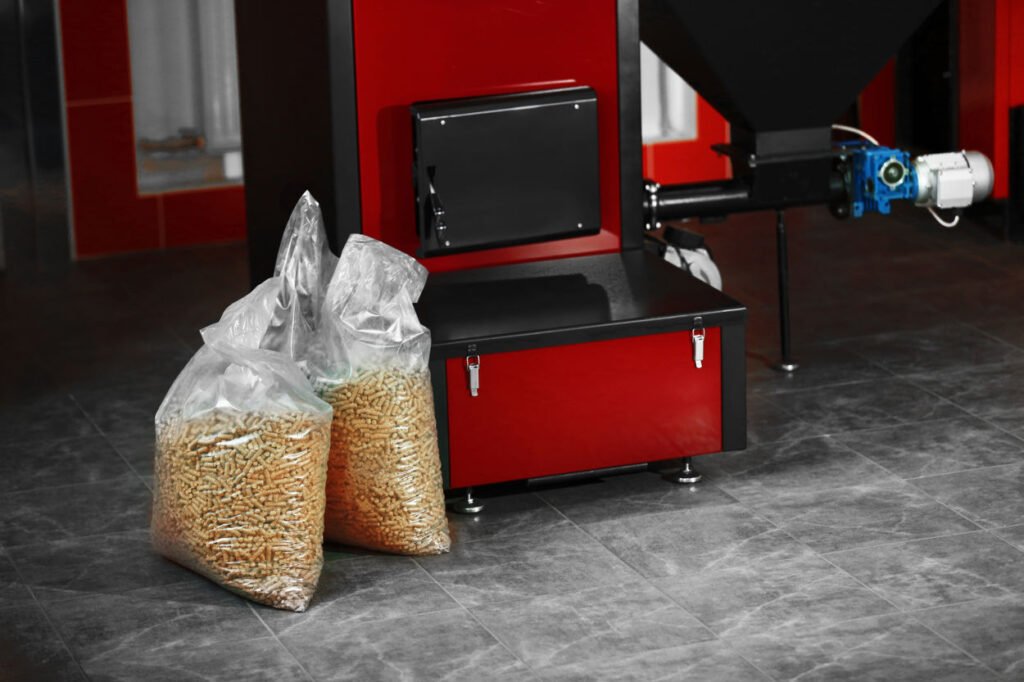
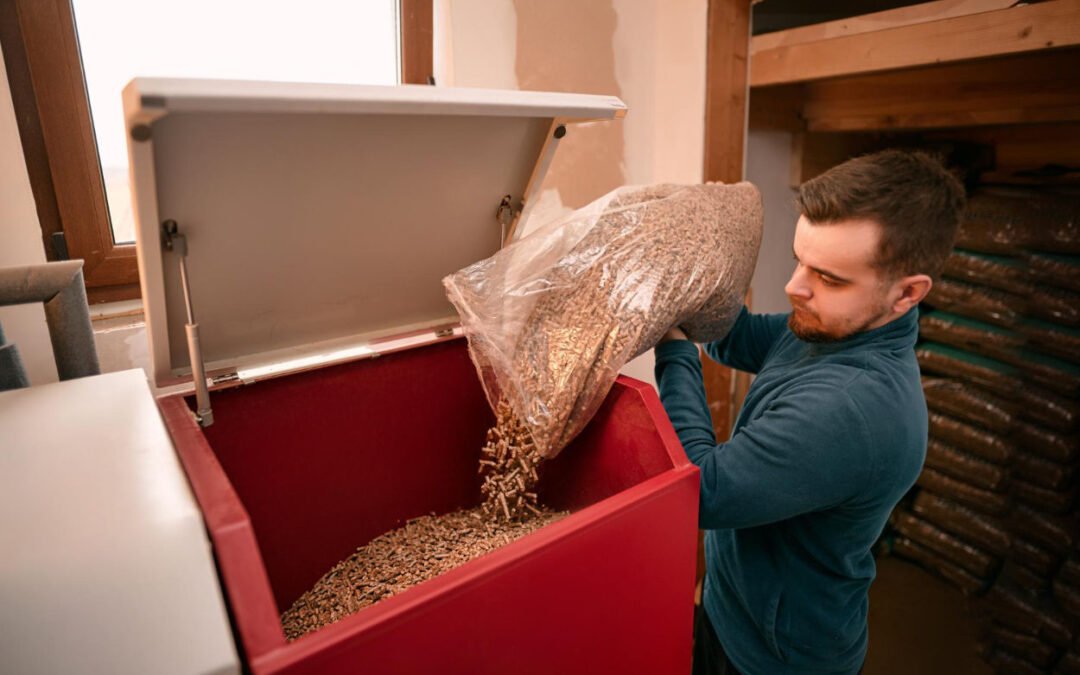
Fuel quality has a direct impact on performance. The engineer should inspect the fuel store for moisture ingress, pests, contamination and fire risk. Wood pellets, chips or logs that are damp, dusty or contaminated can cause poor combustion, excessive ash and blockages. Where appropriate, the engineer should advise the owner on fuel specification and storage improvements.
- Examine the Fuel Feed System
The fuel feed system transports fuel from the store into the combustion chamber. This typically includes augers, hoppers, rotary valves and feed motors. The engineer should check for wear, misalignment, jams, unusual noises and signs of overheating. Any obstruction must be cleared and components lubricated or replaced where necessary.
- Clean and Empty the Ash Removal System
Ash accumulates continuously during operation. The engineer should empty the ash pan, check the ash removal mechanism and confirm that it operates smoothly. Ash should be handled and disposed of safely, as hot ash can retain heat for many hours and presents a fire risk if placed in combustible containers.
- Clean the Combustion Chamber and Inspect the Grate
The combustion chamber is where fuel is burned, so it must be cleaned thoroughly. The engineer should remove residues from the chamber walls, check the grate or burner pot for damage and ensure that air openings are unobstructed. A clean and correctly configured combustion area supports stable, efficient burning.
- Clean the Heat Exchanger
Heat exchanger surfaces transfer heat from combustion gases into the water system. Soot and tar deposits act as insulation and reduce heat transfer. The engineer should carefully clean the heat exchanger tubes or passes using the correct tools and techniques. Cleaning removes deposits that would otherwise reduce efficiency and increase flue gas temperatures.
- Inspect the Burner, Retort and Ignition Components
Depending on the boiler design, the engineer should inspect the burner, retort, igniter and related components. Worn or damaged parts can cause unstable flames, incomplete combustion or failed ignition. Components should be checked for wear and replaced where necessary, using parts approved by the manufacturer.
- Check Refractory Materials and Insulation
Many biomass boilers contain refractory linings that withstand extreme temperatures within the combustion area. The engineer should check these linings for cracks, erosion and loose sections. Insulation around the boiler should also be inspected, as damaged insulation can increase heat loss and reduce overall efficiency.
- Inspect and Clean the Flue and Chimney
The flue carries combustion gases safely away from the building. It must be inspected and cleaned to remove soot, creosote-like deposits and ash build-up. Blockages or leaks in the flue can cause poor draught, smoke spillage and carbon monoxide risks. The engineer should also confirm that the flue is correctly sized, sealed and supported.
- Carry Out a Combustion Analysis
Combustion analysis measures the composition of the flue gases to assess how efficiently the boiler is burning fuel. Key readings typically include oxygen levels, carbon monoxide, flue gas temperature and combustion efficiency. These results help the engineer fine-tune the air supply and identify developing faults before they become serious problems.
- Test Safety Controls and Overheat Protection
Safety controls are essential for preventing overheating, excessive pressure and dangerous operating conditions. The engineer should test high-limit thermostats, overheat protection devices, pressure relief valves and emergency shutdown functions. Each device should operate correctly and reset as designed. Any faulty safety control must be repaired or replaced immediately.
- Check the Water System and Water Quality
The water circuit must be correctly pressurised and free from leaks. The engineer should check system pressure, expansion vessels, circulation pumps, valves and pipework. Water quality is equally important. Poor water chemistry can cause scale, corrosion and reduced heat transfer. Where necessary, the engineer should test water condition and recommend appropriate treatment.
- Inspect Electrical Components and Control Systems
Modern biomass boilers rely on sensors, control panels, relays and wiring to operate safely. The engineer should check electrical connections, inspect cables for damage, verify sensor readings and confirm that the control system responds correctly. Alarms, fault codes and interlocks should be tested to ensure accurate operation.
- Verify Fire Safety, Ventilation and Final Performance
The final check covers the wider safety environment. The engineer should confirm that the boiler room has adequate ventilation, that carbon monoxide detection is in place and functioning, and that fire extinguishing equipment is appropriate and accessible. Once all work is complete, the boiler should be run through a full operating test to confirm stable performance. The engineer should then provide a detailed written report summarising the work carried out, the readings obtained, any defects found and recommendations for future maintenance.
What Should Be Included in the Service Report?
A professional service report should clearly document each check performed, the condition of key components, combustion readings, parts replaced and any urgent recommendations. It should also state the date of service, the engineer’s name and qualifications, and the next recommended service date. Property owners should store this report carefully, as it may be required for insurance claims, warranty purposes, property sales or compliance reviews.
Tips for Owners Between Annual Services
An annual professional service is essential, but day-to-day care also makes a difference. Owners can help maintain their biomass boiler by:
-
- Emptying ash regularly, in line with the manufacturer’s instructions
- Keeping the fuel store dry, ventilated and free from contamination
- Using fuel that meets the specification recommended by the manufacturer
- Monitoring the boiler display for warning messages or unusual operation
- Keeping the area around the boiler clear of combustible materials
- Arranging prompt repairs for any fault, rather than postponing them
Regular attention between services reduces the workload on the engineer and helps the system perform reliably throughout the year.
Book Your Biomass Boiler Service with Proadvance in Reading, Berkshire
A properly maintained biomass boiler delivers warmth, efficiency and peace of mind, but only when it is serviced by a knowledgeable professional. If you are based in Reading or the surrounding Berkshire area and need a reliable biomass boiler service, Proadvance is ready to help.
Proadvance, based in Reading, Berkshire, offers professional support for property owners who want their heating systems inspected, maintained and kept running safely. Whether your biomass boiler is due for its annual check, has been performing poorly or needs a thorough review of its safety and efficiency, the team at Proadvance can help you plan the right next steps.
Don’t wait for a breakdown to discover a problem. Protect your investment, improve efficiency and keep your property safe by booking a professional biomass boiler service today. To find out more about the services available and to arrange your appointment, visit https://proadvance.co.uk.
Final Thoughts
An annual biomass boiler service is one of the most valuable steps you can take to protect your heating system, your property and the people who live or work there. From fuel quality and ash removal to combustion analysis and safety testing, each of the 15 checks plays an important role in keeping your biomass boiler efficient, reliable and compliant.
By choosing a qualified engineer and insisting on a thorough, documented service every year, you can enjoy consistent heat, lower running costs and greater confidence in your renewable heating system for many seasons to come.