Heating your home efficiently while reducing your carbon footprint has become a priority for many homeowners. Among the growing number of renewable energy solutions, biomass boilers have emerged as a popular alternative to traditional gas and oil heating systems. But is a biomass boiler the right choice for your home? In this comprehensive guide, we’ll explore everything you need to know — from how biomass boilers work to their advantages, disadvantages, and practical considerations before making the investment.
What Is a Biomass Boiler?
A biomass boiler is a heating system that burns organic materials — known as biomass — to generate heat for your home and hot water. Unlike fossil fuels, biomass fuels come from renewable sources such as wood pellets, wood chips, logs, and even agricultural waste. The concept is straightforward: the boiler combusts these materials, heats water, and distributes warmth through your central heating system, much like a conventional gas or oil boiler would.
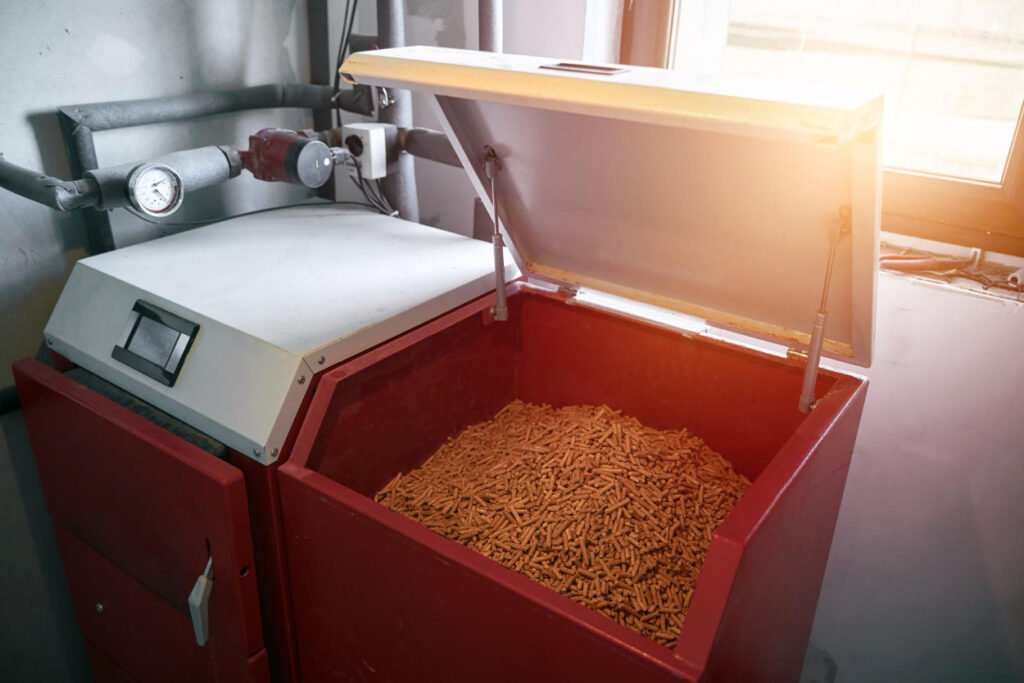
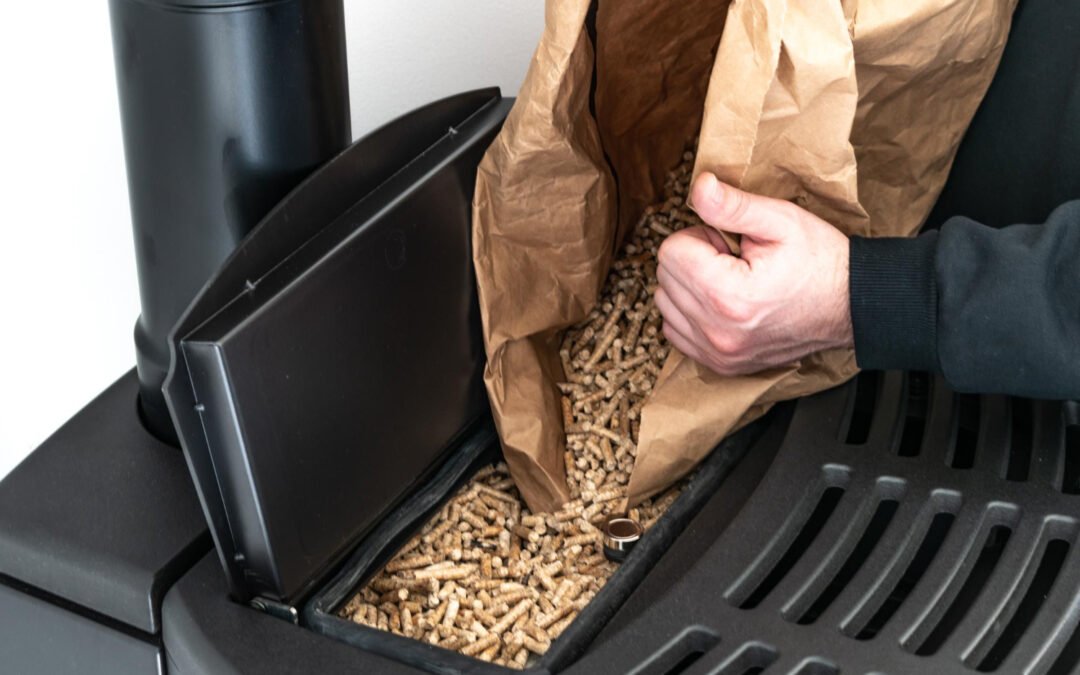
Biomass boilers come in various sizes and configurations. Some are designed for single-room heating, while others can power an entire household. The most common types for residential use include wood pellet boilers, wood chip boilers, and log boilers. Each type has its own feeding mechanism — some are fully automated with hoppers that feed fuel into the combustion chamber, while others require manual loading.
The Pros of Installing a Biomass Boiler
- Renewable and Sustainable Energy Source
One of the most compelling reasons to choose a biomass boiler is its environmental benefit. Biomass is considered a carbon-neutral fuel source because the carbon dioxide released during combustion is roughly equal to the amount the plants absorbed during their growth. When sourced responsibly from sustainably managed forests, biomass heating significantly reduces your household’s net carbon emissions compared to fossil fuel alternatives.
- Lower Heating Costs in the Long Run
While the upfront cost of a biomass boiler is higher than that of a conventional system, the ongoing fuel costs can be considerably lower — especially if you have access to cheap or free wood. Homeowners in rural areas who can source their own logs or purchase wood chips locally often see substantial savings on their heating bills. Wood pellets, although more expensive than raw wood, are still generally cheaper per kilowatt-hour than oil and LPG.
- Government Incentives and Grants
In many countries, governments offer financial incentives to encourage homeowners to switch to renewable heating. In the UK, for example, the Boiler Upgrade Scheme (BUS) provides grants to help cover the installation cost of biomass boilers. Similar programs exist across Europe and North America. These incentives can dramatically reduce the payback period and make the initial investment much more manageable.
- Energy Independence
A biomass boiler reduces your reliance on gas and oil suppliers, protecting you from volatile energy prices. This is particularly advantageous for homes in off-grid locations that currently depend on oil or LPG deliveries. With a biomass system, you have greater control over your fuel supply and costs.
- Versatility of Fuel Options
Unlike gas boilers that depend on a single fuel source, biomass boilers can burn a variety of organic materials. Depending on your boiler type, you can use wood pellets, chips, logs, or even certain agricultural by-products. This flexibility allows you to choose the most cost-effective and readily available fuel in your area.
- Reliable and Proven Technology
Biomass heating is not a new concept — it has been used for centuries in various forms. Modern biomass boilers are highly efficient, with some models achieving efficiency ratings of 90% or higher. The technology is well-established, and there is a wide range of reliable manufacturers and installers to choose from.
The Cons of Installing a Biomass Boiler
- High Upfront Costs
The initial investment for a biomass boiler system is significantly higher than a comparable gas or oil boiler. A fully installed residential biomass boiler can cost anywhere from £5,000 to £20,000 or more, depending on the size, type, and complexity of the installation. This includes the cost of the boiler itself, the flue system, fuel storage, and professional installation.
- Space Requirements
Biomass boilers are physically larger than conventional boilers and require dedicated space for the unit itself and for fuel storage. You’ll need a dry, accessible area to store wood pellets, chips, or logs — ideally close to the boiler for easy feeding. For homes with limited space, this can be a significant drawback. A typical pellet storage hopper or log store can take up a considerable area in a garage, outbuilding, or utility room.
- Regular Maintenance and Cleaning
Biomass boilers require more maintenance than gas boilers. Ash needs to be removed regularly — some modern boilers have automatic ash removal systems, but manual cleaning is still necessary from time to time. The flue and heat exchanger also need periodic inspection and cleaning to maintain efficiency and safety. Most manufacturers recommend annual professional servicing, which adds to the ongoing costs.
- Fuel Supply and Storage Logistics
Unlike gas that arrives through a pipe, biomass fuel needs to be purchased, delivered, and stored. This requires planning and organization. Wood pellets are typically delivered in bulk bags or blown into a storage silo, while logs need to be seasoned (dried) for at least one to two years before use. If your fuel supply is not well-managed, you could face interruptions in heating during the colder months.
- Air Quality Concerns
Burning biomass produces particulate matter and other emissions, which can affect local air quality. In urban areas and designated smoke control zones, there may be restrictions on the types of biomass boilers and fuels you can use. You’ll need to ensure your boiler meets local emission standards and that you use approved, low-moisture fuels to minimize pollution. Some regions require DEFRA-exempt appliances for use in controlled areas.
- Longer Warm-Up Time
Compared to gas boilers that provide almost instant heat, biomass boilers can take longer to reach optimal operating temperature. This means you may need to plan your heating schedule more carefully, especially during cold snaps. However, integrating a thermal store or buffer tank into your system can help mitigate this issue by storing excess heat for later use.
Practical Considerations Before Installing
Before committing to a biomass boiler, there are several practical factors to evaluate:
-
- Property suitability: Ensure your home has adequate space for both the boiler and fuel storage. Rural properties with outbuildings are often ideal candidates.
- Fuel availability: Research local fuel suppliers and compare prices. Consider the logistics of regular deliveries and storage.
- Planning permission: While most domestic biomass installations don’t require planning permission, it’s wise to check with your local authority, especially regarding the flue height and emissions regulations.
- Installer qualifications: Always choose an MCS-certified (Microgeneration Certification Scheme) or equivalent accredited installer. This is often a requirement for accessing government grants.
- System sizing: Work with a heating engineer to ensure the boiler is correctly sized for your home’s heat demand. An oversized or undersized system will be inefficient and costly.
Is a Biomass Boiler Right for You?
A biomass boiler is an excellent choice for homeowners who prioritize sustainability, have sufficient space, and want to reduce long-term heating costs. It’s particularly well-suited for rural, off-grid properties where gas connections are unavailable. However, the higher upfront costs, space demands, and maintenance requirements mean it’s not ideal for every household. Carefully weigh the pros and cons, consult with accredited biomass boilers professionals, and explore available grants before making your decision.
Frequently Asked Questions (FAQ)
- How long does a biomass boiler last?
A well-maintained biomass boiler can last 20 to 25 years or more. Regular servicing, proper fuel use, and timely component replacements are key to maximizing the lifespan of your system. - What type of fuel is best for a residential biomass boiler?
Wood pellets are the most popular choice for home biomass boilers because they are compact, have low moisture content, and can be fed automatically into the boiler. However, wood chips and seasoned logs are also viable options depending on your boiler type and budget. - How much does it cost to run a biomass boiler annually?
Running costs vary depending on fuel type, boiler efficiency, and your home’s heat demand. On average, homeowners spend between £800 and £1,500 per year on biomass fuel, though this can be significantly less if you source your own wood. - Do biomass boilers work with existing radiators and underfloor heating?
Yes, biomass boilers are compatible with standard central heating systems, including radiators and underfloor heating. They function in the same way as a conventional boiler by heating water and distributing it through your existing pipework. - Are biomass boilers noisy?
Modern biomass boilers are relatively quiet during operation. The main source of noise comes from the fuel feeding mechanism in automated systems, but this is generally not disruptive. Placing the boiler in a garage or utility room further minimizes any noise impact. - Can I install a biomass boiler in a smoke control zone?
Yes, but you must use a DEFRA-exempt biomass boiler and burn only approved fuels. Check with your local council to confirm the regulations in your area and ensure your chosen system complies with all emission requirements.