When homeowners consider switching to a biomass boiler, one of the most common questions that arises is whether these systems can reliably provide hot water during the warmer months. After all, summer brings a significant drop in heating demand — but the need for hot water remains constant year-round. So, can a biomass boiler keep up?
The short answer is yes — biomass boilers can absolutely provide hot water in summer. But there are some important nuances to understand about how they operate during this period, potential challenges, and the best strategies for maximising efficiency.
How Biomass Boilers Work
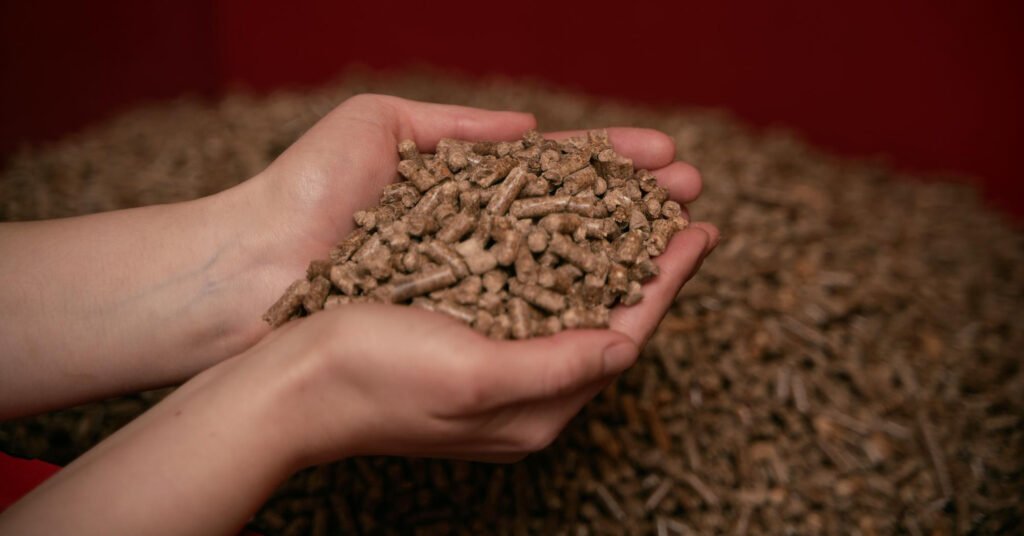
Before diving into the specifics of summer operation, it’s worth revisiting the basics. A biomass boiler burns organic materials — such as wood pellets, wood chips, or logs — to generate heat. This heat is then used to warm water, which is distributed through radiators, underfloor heating systems, or stored in a hot water cylinder for domestic use.
Modern biomass boilers are sophisticated pieces of equipment, complete with automated fuel feeding systems, self-cleaning mechanisms, and advanced controls that allow them to modulate their output according to demand.
Summer Operation: What Changes?
During the winter months, a biomass boiler typically runs at or near full capacity, providing both central heating and hot water. In summer, the central heating demand drops away almost entirely, leaving domestic hot water (DHW) as the primary — and often only — requirement.
This shift creates a situation where the boiler’s workload is dramatically reduced. Instead of running for extended periods throughout the day, the boiler may only need to fire up once or twice daily to heat the water stored in your cylinder.
The Challenge of Low-Load Operation
Here’s where things get interesting. Biomass boilers are designed to operate most efficiently at higher loads. When a boiler that’s rated at, say, 25kW is only being asked to produce a few kilowatts of heat to top up a hot water cylinder, it can lead to some operational challenges:
- Reduced efficiency: Running a biomass boiler at a fraction of its capacity can lower combustion efficiency, leading to higher fuel consumption per unit of useful heat.
- Increased emissions: Incomplete combustion at low loads can produce more smoke, particulates, and creosote buildup in the flue system.
- More frequent cycling: The boiler may start and stop more often, which increases wear and tear on components and reduces overall efficiency.
- Clinker formation: Some biomass fuels, particularly lower-quality wood chips, can form clinker (fused ash deposits) when the boiler operates at low loads for extended periods.
Solutions for Efficient Summer Hot Water
Despite these challenges, there are several effective strategies to ensure your biomass boiler provides reliable, efficient hot water throughout the summer.
- Thermal Store or Buffer Tank
One of the most effective solutions is to incorporate a thermal store or buffer tank into your heating system. This large, insulated water tank acts as an energy reservoir. The boiler can fire up at a higher output, run efficiently for a shorter period, and store the excess heat in the buffer tank. This stored heat is then drawn upon throughout the day to meet hot water demand without requiring the boiler to cycle on and off repeatedly.
A well-insulated thermal store can hold heat for many hours, meaning the boiler might only need to fire once per day during summer.
- Properly Sized System
System sizing is critical. An oversized biomass boiler will struggle more during low-demand periods. If you’re in the planning stages, work with your installer to choose a boiler that’s appropriately sized for both your winter heating load and your summer hot water needs. Some manufacturers offer boilers with a wide modulation range, allowing them to turn down to as low as 30% of their rated output, which helps enormously during summer.
- Solar Thermal Integration
Many homeowners choose to pair their biomass boiler with a solar thermal system. During the summer months, when solar radiation is at its peak, solar panels can handle a significant portion — sometimes all — of your hot water demand. The biomass boiler then acts as a backup, only firing when solar energy is insufficient, such as during cloudy spells or periods of high hot water usage.
This hybrid approach reduces fuel consumption, minimises boiler wear, and offers an exceptionally sustainable hot water solution.
- Immersion Heater Backup
Some homeowners opt to use an electric immersion heater in their hot water cylinder during summer instead of running the biomass boiler. While electricity is generally more expensive per kilowatt-hour than biomass fuel, the relatively small amount of energy needed for summer hot water can make this a practical option. It avoids the inefficiencies of running a large boiler at low load and reduces maintenance requirements.
This approach works particularly well if you have solar PV panels installed, as excess electricity generated during sunny days can be diverted to the immersion heater effectively for free.
- Scheduled Firing Times
Modern biomass boiler controls allow you to set specific firing schedules. During summer, you can programme the boiler to fire at optimal times — for example, heating your water cylinder early in the morning and again in the evening — rather than leaving it to respond reactively to demand. This helps the boiler run at higher efficiency during planned burn cycles.
Maintenance Considerations
Summer is actually an excellent time to schedule maintenance for your biomass boiler. Since demand is lower, taking the system offline for servicing causes minimal disruption. Key summer maintenance tasks include:
- Cleaning the heat exchanger to remove soot and ash buildup
- Inspecting and sweeping the flue to remove any creosote deposits
- Checking seals, gaskets, and moving parts for wear
- Cleaning the fuel feed system and hopper
- Testing controls and safety devices
Regular maintenance ensures that your boiler runs efficiently year-round and is ready for the increased demand when autumn arrives.
Fuel Storage in Summer
Another consideration is fuel storage during the warmer months. If you use wood pellets, it’s essential to keep them dry, as moisture can cause them to swell, disintegrate, and become unusable. Ensure your fuel store is well-ventilated and protected from rain and humidity.
If you use wood chips, summer is a good time to stock up and allow any fresh chips to season and dry, improving their quality and combustion characteristics for the coming heating season.
Is It Worth Running a Biomass Boiler Just for Hot Water?
This is a question that many biomass boiler owners ask themselves each summer. The answer depends on several factors:
- Fuel cost: If you have access to cheap or free biomass fuel (for example, from your own woodland), running the boiler year-round makes strong financial sense.
- System design: A well-designed system with a buffer tank and good controls can operate efficiently even in summer.
- Alternative options: If you have solar thermal, solar PV, or an off-peak electricity tariff, it may be more cost-effective to use these for summer hot water.
- RHI or incentive payments: In some regions, renewable heat incentive payments are based on metered heat output. Running your biomass boiler for hot water in summer can contribute to these payments, improving the financial return on your investment.
The Bottom Line
Biomass boilers are more than capable of providing hot water during the summer months. While they may not operate at peak efficiency during periods of low demand, the right system design, proper controls, and complementary technologies can overcome these challenges.
The key takeaways are:
- Yes, biomass boilers can provide hot water in summer — they don’t need to be shut down when the heating season ends.
- A buffer tank is your best friend — it allows the boiler to run efficiently in short bursts rather than cycling constantly.
- Consider hybrid solutions — solar thermal or solar PV with an immersion heater can reduce summer fuel consumption significantly.
- Proper sizing and controls matter — work with an experienced installer to ensure your system is optimised for year-round operation.
- Use the summer for maintenance — keep your system in top condition for the busy winter months ahead.
With thoughtful planning and the right setup, a biomass boiler can be a reliable, efficient, and sustainable source of hot water every day of the year — rain or shine, winter or summer.