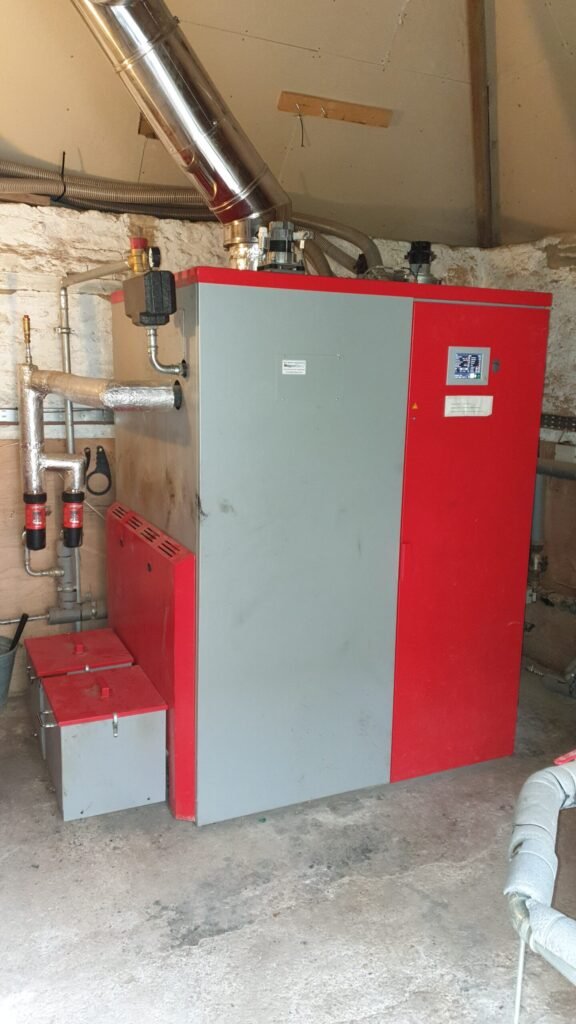
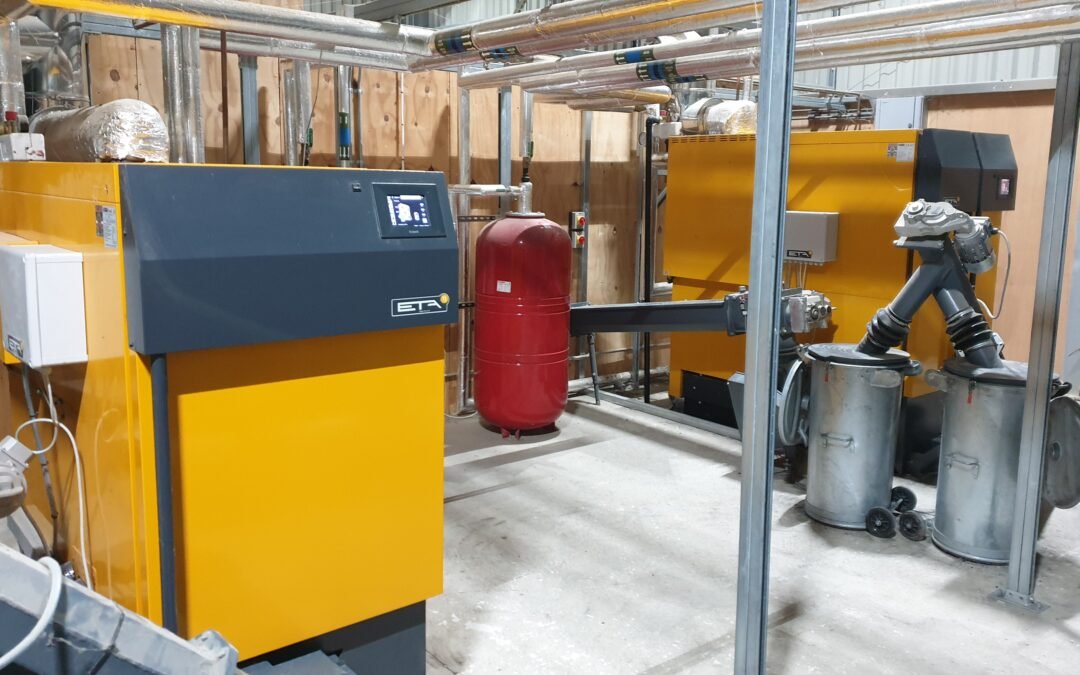
Biomass boilers have become an increasingly popular choice for homeowners, businesses, and institutions looking to reduce their carbon footprint and transition away from fossil fuels. By burning organic materials such as wood pellets, wood chips, logs, and agricultural residues, these systems offer a renewable and often cost-effective heating solution. However, like any complex mechanical system, biomass boilers are not immune to problems. Understanding the most common issues — and knowing how to address them — can save you significant time, money, and frustration.
In this article, we’ll take a deep dive into three of the most prevalent problems that biomass boiler owners encounter: fuel blockages, ignition issues, and mechanical wear. We’ll explore the causes behind each problem, the warning signs to watch for, and the practical steps you can take to fix and prevent them.
Fuel Blockages: The Silent Efficiency Killer
One of the most frequently reported problems with biomass boilers is fuel blockages. These occur when the fuel fails to move smoothly from the storage hopper through the feed system and into the combustion chamber. When fuel flow is interrupted, the boiler can’t maintain consistent heat output, leading to reduced efficiency, unexpected shutdowns, and potential damage to the system.
What Causes Fuel Blockages?
There are several common causes of fuel blockages in biomass boilers:
1. Poor Fuel Quality
The quality of biomass fuel plays a critical role in the smooth operation of any boiler system. Wood pellets that have absorbed moisture, for example, can swell and clump together, creating obstructions in the feed auger or hopper outlet. Similarly, wood chips that are inconsistent in size — containing oversized pieces or long, stringy bark — can jam feed mechanisms that are designed for uniform material.
2. Bridging in the Hopper
Bridging occurs when fuel forms an arch or bridge across the hopper outlet, preventing material from falling into the auger below. This is particularly common with wood chips and other irregularly shaped fuels. The fuel essentially locks itself in place, and gravity alone isn’t enough to break the bridge.
3. Auger Jams
The auger — a rotating screw mechanism that transports fuel from the hopper to the combustion chamber — can become jammed when foreign objects (stones, nails, or plastic) enter the fuel supply, or when compacted fuel builds up around the screw flights.
4. Condensation and Moisture Build-Up
If the fuel storage area is not properly ventilated or insulated, condensation can form on the walls of the hopper and on the fuel itself. Over time, this moisture causes the fuel to degrade, clump, and block the feed system.
How to Fix and Prevent Fuel Blockages
- Invest in high-quality fuel. Always source fuel from reputable suppliers who can guarantee consistent moisture content (ideally below 10% for pellets) and uniform sizing. Fuel that meets established standards, such as ENplus for pellets, will dramatically reduce the risk of blockages.
- Install anti-bridging devices. Many modern biomass boilers offer optional agitators or vibrating mechanisms that prevent fuel from bridging in the hopper. If your system doesn’t have one, consider retrofitting an anti-bridging solution.
- Perform regular hopper inspections. Make it a habit to visually check the hopper at least once a week. Look for signs of clumping, moisture, or foreign objects that could cause problems.
- Keep fuel storage dry. Ensure your fuel storage area is well-ventilated and protected from rain and ground moisture. Use sealed containers or dedicated fuel stores with proper drainage.
- Clear jams promptly. If the auger becomes jammed, shut down the system, disconnect the power, and carefully remove the obstruction. Never attempt to clear a jam while the auger is running, as this poses a serious safety risk.
Ignition Issues: When Your Boiler Won’t Start
Few things are more frustrating than a biomass boiler that refuses to ignite — especially on a cold winter morning. Ignition problems can range from intermittent start-up failures to complete inability to light. Understanding the root causes can help you troubleshoot the issue quickly and effectively.
What Causes Ignition Issues?
1. Faulty or Worn Ignition Elements
Most modern biomass boilers use electric ignition elements (glow bars or hot air ignition systems) to start the combustion process. Over time, these elements can degrade, crack, or burn out entirely, making it impossible for the boiler to ignite the fuel.
2. Insufficient Airflow
Proper combustion requires a precise balance of fuel and air. If the air intake is blocked, the fan is malfunctioning, or the flue is obstructed, the boiler may not receive enough oxygen to sustain ignition. This can result in failed start-ups or the fire going out shortly after lighting.
3. Damp or Degraded Fuel
Just as poor fuel quality can cause blockages, it can also prevent successful ignition. Fuel with high moisture content requires significantly more energy to ignite and may produce excessive smoke without ever reaching a stable flame.
4. Ash Build-Up in the Combustion Chamber
If ash is not regularly removed from the combustion chamber, it can accumulate around the ignition element and the fuel bed, insulating the fuel from the heat source and preventing ignition. Some boilers have automatic ash removal systems, but these can also malfunction.
5. Control System Errors
Modern biomass boilers rely on sophisticated electronic control systems to manage the ignition sequence. Sensor failures, software glitches, or wiring issues can interrupt the start-up process and prevent the boiler from lighting.
How to Fix and Prevent Ignition Issues
- Check and replace ignition elements regularly. Ignition elements are consumable parts that have a finite lifespan. Inspect them during routine maintenance and replace them at the intervals recommended by the manufacturer — or sooner if you notice signs of wear.
- Ensure proper airflow. Inspect the air intake vents, combustion fan, and flue regularly. Remove any obstructions, clean the fan blades, and make sure the flue is clear of soot and debris. A chimney sweep should be scheduled at least once a year.
- Use dry, high-quality fuel. This point cannot be overstated. Dry fuel ignites more readily and burns more cleanly, reducing the strain on ignition components and improving overall boiler performance.
- Keep the combustion chamber clean. Follow the manufacturer’s guidelines for ash removal — whether manual or automatic. If your boiler has an automatic de-ashing system, ensure it is functioning correctly and that the ash bin is emptied before it overflows.
- Monitor error codes and diagnostics. Familiarize yourself with your boiler’s control panel and error code system. When an ignition failure occurs, the control system will often display a code that can help you — or your service technician — pinpoint the exact cause of the problem.
Mechanical Wear: The Long-Term Challenge
Biomass boilers contain numerous moving parts and components that are subject to significant thermal and mechanical stress. Over time, this wear and tear can lead to reduced performance, increased fuel consumption, and costly breakdowns if not addressed proactively.
What Causes Mechanical Wear?
1. Auger and Feed System Wear
The auger is one of the hardest-working components in a biomass boiler. It operates under heavy load, constantly moving abrasive material. Over months and years, the auger flights can wear down, the bearings can fail, and the motor can overheat — all of which reduce feed efficiency and increase the risk of jams.
2. Combustion Chamber Degradation
The combustion chamber is exposed to extreme temperatures, often exceeding 1,000°C. Over time, refractory linings can crack, steel components can warp, and heat exchangers can develop scale or corrosion. These issues reduce heat transfer efficiency and can compromise the structural integrity of the boiler.
3. Fan and Motor Wear
The combustion air fan and flue gas extraction fan run continuously during operation. Bearings can wear out, blades can accumulate soot and ash deposits, and motors can lose efficiency. A failing fan will disrupt the air-to-fuel ratio, leading to incomplete combustion, higher emissions, and poor performance.
4. Seals and Gaskets
Door seals, gaskets, and other sealing components prevent air leaks that would disrupt the combustion process. These materials degrade over time due to heat exposure and repeated opening and closing of access doors. Worn seals allow uncontrolled air into the combustion chamber, reducing efficiency and potentially causing safety concerns.
5. Sensor and Probe Deterioration
Temperature sensors, lambda probes (oxygen sensors), and pressure transducers are critical for maintaining optimal combustion conditions. These electronic components can drift out of calibration or fail entirely, causing the control system to operate the boiler inefficiently or shut it down as a safety precaution.
How to Fix and Prevent Mechanical Wear
- Schedule regular professional servicing. A qualified biomass boiler technician should service your system at least once a year — ideally before the heating season begins. During a service visit, the technician will inspect all major components, replace worn parts, clean heat exchange surfaces, and recalibrate sensors.
- Replace wear parts proactively. Don’t wait for a component to fail catastrophically. Keep a stock of common wear parts — auger bearings, ignition elements, door seals, and fan belts — and replace them at the intervals specified in your maintenance manual.
- Monitor performance data. Many modern biomass boilers come equipped with data logging capabilities. Track metrics such as fuel consumption, flue gas temperature, and operating hours. A gradual increase in fuel consumption or flue gas temperature can indicate developing mechanical issues that need attention.
- Clean heat exchangers regularly. Soot and ash deposits on heat exchanger surfaces act as insulation, reducing the boiler’s ability to transfer heat to the water. Many systems include automatic tube-cleaning mechanisms, but manual cleaning may still be required periodically.
- Lubricate moving parts. Bearings, chains, and other moving components require regular lubrication to minimize friction and extend their service life. Use the lubricants recommended by the manufacturer and follow the specified intervals.
Final Thoughts
Biomass boilers are robust, efficient, and environmentally friendly heating systems — but they do require attentive care and maintenance to perform at their best. Fuel blockages, ignition issues, and mechanical wear are the three most common challenges that owners face, and each can be effectively managed with a combination of good fuel practices, regular inspections, and proactive maintenance.
By understanding what causes these problems and taking steps to prevent them, you can extend the lifespan of your biomass boiler, maintain peak efficiency, and enjoy reliable, sustainable heating for years to come. If you’re ever unsure about diagnosing or repairing an issue, don’t hesitate to consult a certified biomass boiler technician — investing in professional support is always more cost-effective than dealing with the consequences of a major breakdown.