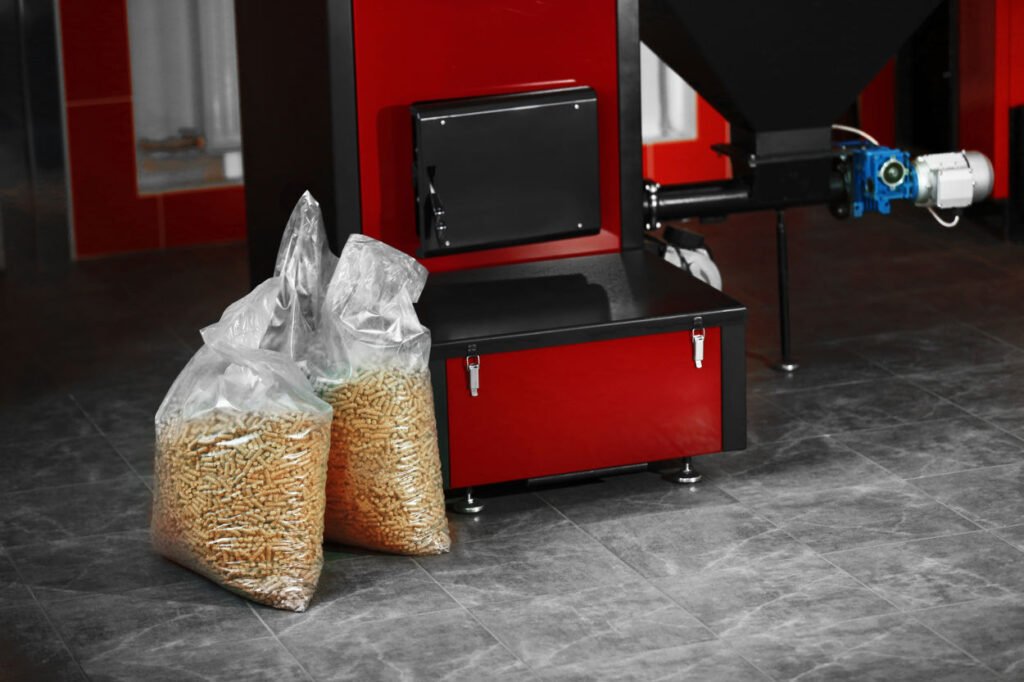
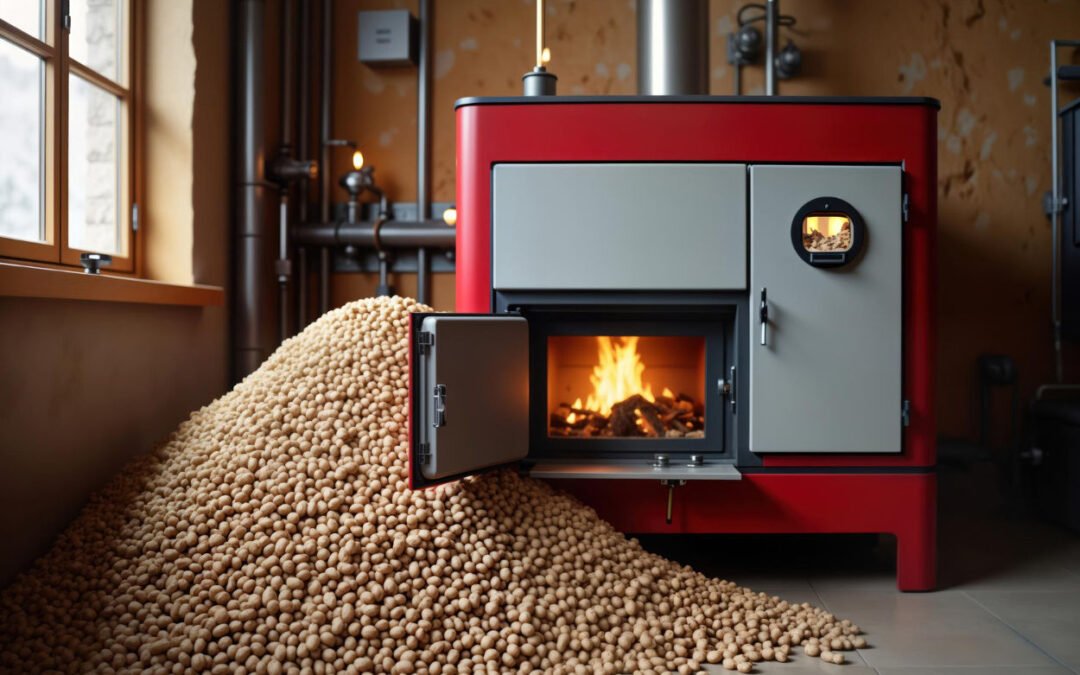
Pellet boilers have become an increasingly popular heating solution for homeowners and businesses looking to reduce their carbon footprint while enjoying reliable, cost-effective warmth. However, like any heating system, a pellet boiler requires regular maintenance to perform at its best. Neglecting routine care can lead to decreased efficiency, higher fuel consumption, unexpected breakdowns, and costly repairs.
As a biomass boiler engineer with over a decade of hands-on experience, I’ve seen firsthand what happens when maintenance is overlooked — and how a few simple habits can extend the life of your boiler by many years. In this article, I’ll share professional tips that will help you keep your pellet boiler running smoothly, safely, and efficiently throughout its lifespan.
Why Maintenance Matters
Before diving into specific tips, it’s worth understanding why pellet boiler maintenance is so important. Unlike gas or oil boilers, pellet boilers burn solid fuel, which means they produce ash, soot, and other combustion residues. Over time, these byproducts accumulate inside the boiler, reducing heat transfer efficiency and potentially causing mechanical problems.
A well-maintained pellet boiler can operate at efficiencies above 90%, but a neglected one can drop significantly below that threshold. In practical terms, poor maintenance means you burn more pellets to produce the same amount of heat — and that hits your wallet directly.
Daily and Weekly Tasks
Empty the Ash Pan Regularly
This is perhaps the most basic but essential maintenance task. Most modern pellet boilers have an automatic ash removal system, but the ash collection container still needs to be emptied regularly. Depending on your boiler model and usage intensity, this could be anywhere from once a week to once every few weeks.
Allowing the ash pan to overfill can cause ash to back up into the combustion chamber, leading to poor combustion, increased emissions, and even mechanical failure of the ash auger. Make it a habit to check the ash level at least once a week during the heating season.
Pro tip: Pellet ash is an excellent fertilizer for your garden. It’s rich in potassium and other minerals, so don’t just throw it away — spread it on your flower beds or compost heap.
Check the Pellet Hopper
Ensure your pellet hopper is adequately filled and that the pellets flow freely into the feed auger. Occasionally, pellets can form bridges or clumps, especially if moisture has entered the storage area. A quick visual inspection can prevent unexpected shutdowns due to fuel starvation.
Monthly Tasks
Clean the Heat Exchanger
The heat exchanger is where the magic happens — it transfers the energy from combustion to your heating water. Over time, soot and fly ash accumulate on the heat exchanger surfaces, acting as an insulating layer that reduces heat transfer.
Many modern pellet boilers have automatic heat exchanger cleaning mechanisms, such as turbulators or compressed air systems. However, these systems don’t always remove 100% of the deposits. Once a month, take a few minutes to manually inspect and clean the heat exchanger tubes using the cleaning tools provided with your boiler.
A clean heat exchanger can make the difference between 92% and 85% efficiency — and over a full heating season, that 7% adds up to a significant amount of money and fuel.
Inspect the Combustion Chamber
Open the combustion chamber door and look inside. You’re checking for excessive clinker buildup (hardened ash residue), damage to firebricks or the burn pot, and any signs of abnormal combustion such as discoloration or warping.
Clinker forms when ash melts and fuses together, usually due to high-ash-content pellets or incorrect air settings. If you notice frequent clinker formation, it may be time to switch to a higher-quality pellet with lower ash content, or have your boiler’s air-to-fuel ratio adjusted by a professional.
Check the Gaskets and Seals
Door gaskets and seals ensure that the combustion chamber remains airtight. Worn or damaged gaskets allow unwanted air to enter the system, disrupting the carefully calibrated combustion process. This leads to lower efficiency and can cause the boiler to produce more soot and carbon monoxide.
Run your hand around the door edges while the boiler is operating. If you feel warm air escaping, the gasket likely needs replacing. This is an inexpensive repair that can have a significant impact on performance.
Seasonal Tasks
Full Professional Service
At least once a year — ideally before the start of the heating season — your pellet boiler should receive a comprehensive service by a qualified biomass engineer. This service should include:
- Thorough cleaning of the combustion chamber, heat exchanger, flue gas pathways, and exhaust system
- Inspection and testing of all electrical components, including ignition elements, sensors, and the control board
- Checking and adjusting the air-to-fuel ratio for optimal combustion
- Inspecting the flue and chimney for blockages, corrosion, or creosote buildup
- Testing safety devices, including overheat protection, backfire prevention, and pressure relief valves
- Updating software, if applicable — many modern boilers receive firmware updates that improve performance and reliability
This annual service is not an area to cut corners. A professional biomass boiler engineer can spot developing problems before they become expensive failures, and a well-tuned boiler will repay the service cost many times over in fuel savings.
Clean the Flue and Chimney
A blocked or dirty flue restricts the draft needed for proper combustion and can become a fire hazard. The flue should be swept and inspected at least once a year. In many regions, this is a legal requirement. Hire a certified chimney sweep who has experience with biomass systems, as the requirements differ from those of traditional wood-burning stoves.
Pellet Quality: The Often-Overlooked Factor
No amount of maintenance can compensate for poor-quality pellets. Low-grade pellets with high moisture content, excessive bark, or binding agents will produce more ash, more clinker, and more soot — all of which accelerate wear and reduce efficiency.
Always purchase pellets that meet recognized quality standards such as ENplus A1 or equivalent certifications. Store them in a dry, well-ventilated area to prevent moisture absorption. Damp pellets not only burn poorly but can also swell and jam the feed auger, causing mechanical damage.
Keep a Maintenance Log
One piece of advice I always give my clients is to keep a simple maintenance log. Record when you emptied the ash, cleaned the heat exchanger, changed a gasket, or had a professional service. This log helps you stay on schedule and provides valuable information if a problem arises. It’s also useful for warranty claims and when selling your property, as it demonstrates that the heating system has been well cared for.
Final Thoughts
A pellet boiler is a significant investment, and with proper care, it can provide reliable, efficient heating for 15 to 20 years or more. The maintenance tasks described above are neither complicated nor time-consuming, but they make an enormous difference in the performance, longevity, and safety of your system.
Think of maintenance not as a chore, but as an investment that pays dividends in lower fuel bills, fewer repairs, and peace of mind. And when in doubt, don’t hesitate to call in a professional — a small service fee today can prevent a major headache tomorrow.
Stay warm, stay efficient, and take care of your boiler — it will take care of you.